In a move closely watched by economists, investors, and everyday Americans, the Federal Reserve has opted to hold its benchmark interest rates steady. This decision comes as the U.S. economy shows signs of cooling, with second-quarter GDP growth moderating and the housing market presenting a complex, contradictory picture.
The Federal Reserve's Calculated Pause
The Federal Open Market Committee (FOMC) concluded its latest meeting with an announcement that left interest rates unchanged. This strategic pause allows the central bank to assess the cumulative impact of previous rate adjustments. The Fed's primary mandate is a delicate balancing act: controlling inflation without tipping the economy into a recession.
Fed Chairman Jerome Powell emphasized a data-dependent approach, noting that while progress has been made, the path to the 2% inflation target remains uncertain. This cautious rhetoric serves to temper market exuberance and maintain tighter financial conditions, ensuring that inflation does not experience a resurgence.
Deconstructing Moderating GDP
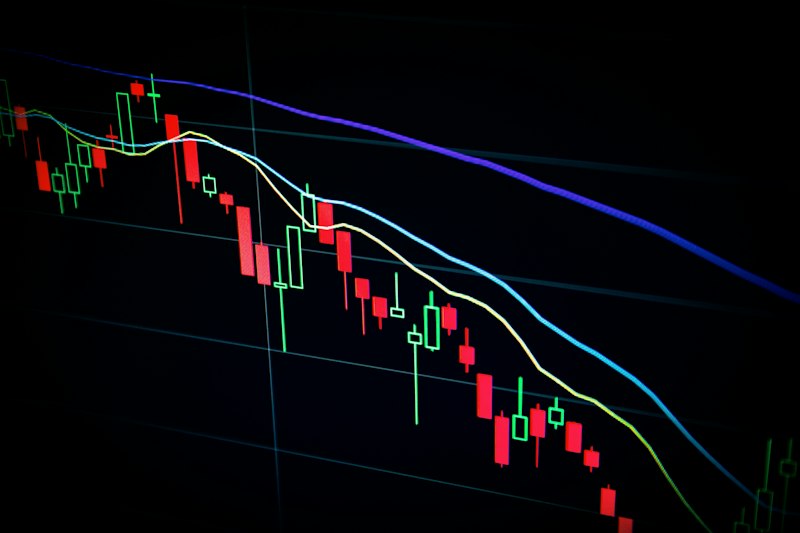
A key factor in the Fed's decision is that U.S. Gross Domestic Product growth moderated in the second quarter of 2026. GDP is the broadest measure of economic activity, and a slowdown indicates the economic engine is not running as hot as it was previously. This is not entirely negative — it is precisely what the Fed aimed to achieve.
A cooling economy theoretically reduces demand for goods and services, alleviating upward pressure on prices. However, a significant slowdown also raises concerns about increased unemployment and reduced corporate profits. The details of the GDP report show a softening in consumer spending, which is the primary driver of the U.S. economy.
The Housing Market Puzzle
While GDP moderates, the U.S. housing market continues to defy simple explanations. High mortgage rates should theoretically depress home prices by reducing buyer demand. However, home prices have actually seen a slight increase in many markets due to a persistent lack of supply.
Homeowners who locked in low mortgage rates years ago are reluctant to sell and take on a much higher rate. This "lock-in effect" severely limits the inventory of available homes. For prospective homebuyers — particularly first-time buyers — this creates a formidable double whammy: high borrowing costs and high property prices.
What This Means for Everyday Finances
The Federal Reserve's policy decisions have tangible consequences for millions of Americans:
- Credit cards: Rates will stay elevated. Focus on aggressive debt payoff strategies like the avalanche or snowball method.
- Auto loans: New and used car financing remains expensive. Consider delaying a major purchase if possible.
- Savings accounts: High-yield savings accounts (HYSAs) and CDs continue to offer competitive returns — typically 4.5% to 5.5% APY. Take advantage before rates drop.
- Mortgages: Fixed-rate mortgages will remain high. Adjustable-rate options may be worth exploring for short-term homeowners.
When Will the Fed Cut Rates?
The burning question remains: when will the Federal Reserve cut rates? The answer depends entirely on incoming economic data. The Fed is looking for clear, convincing evidence that inflation is sustainably moving toward its 2% target. If GDP moderation translates into sustained cooling and slower price increases, rate cuts could begin late in 2026 or early 2027.
Conversely, if inflation proves stubborn, the Fed has signaled a willingness to maintain current rates longer than markets currently anticipate. For Americans, this environment requires a focus on prudent financial management: minimizing high-interest debt, maximizing savings yields, and preparing for a prolonged period of elevated borrowing costs.