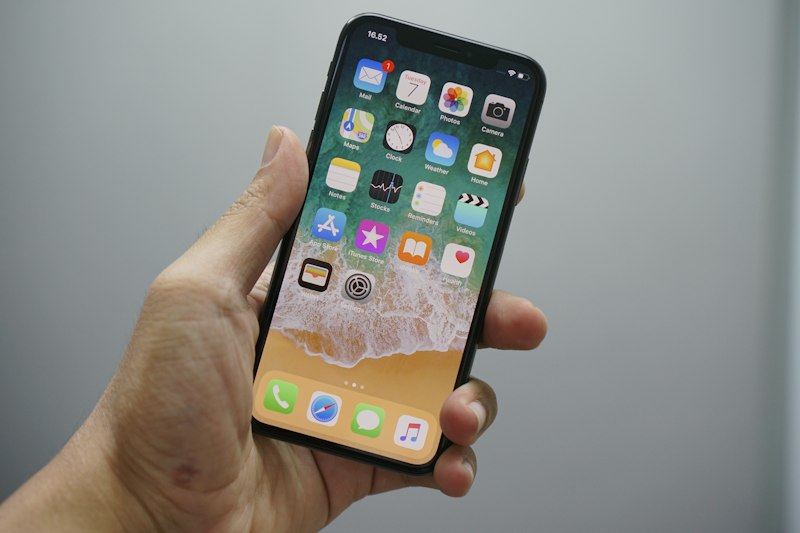
In a landmark legal challenge that could redefine digital privacy standards, Apple is facing a staggering \.5 billion lawsuit over allegations of unauthorized biometric data collection through the iPhone's Photos application.
The Core of the Allegations
The class-action lawsuit alleges that Apple's Photos application has been systematically analyzing facial features and collecting biometric data without obtaining explicit, informed consent from its users. The technology in question is the facial recognition feature that automatically groups photos by the people in them — a convenience feature heavily promoted by Apple.
According to the plaintiffs, this process involves scanning every photograph stored on the device to map facial geometry. While Apple maintains that this processing happens on-device and the data never leaves the user's phone, the lawsuit argues that the very act of collecting and storing this biometric information without clear opt-in consent violates stringent privacy laws, most notably the Illinois Biometric Information Privacy Act (BIPA).
The massive \.5 billion figure stems from the sheer number of iPhone users potentially affected and the statutory damages associated with biometric privacy violations, which can reach up to \,000 per intentional violation. If successful, this would be one of the largest privacy lawsuit settlements in history.
What is Biometric Data and Why Does It Matter?
Biometric data refers to unique physical characteristics used for automated recognition: fingerprints, retina scans, voiceprints, and facial geometry. Unlike a password or credit card number, biometric data is permanent and unchangeable. If your password is hacked, you can change it. If your face data is compromised, you cannot change your face.
This permanence makes biometric data the ultimate personal identifier and makes its protection paramount. The collection of this data without consent creates a significant vulnerability, even if a company stores it securely today — because it may be misused in the future.
Apple's Historical Stance on Privacy
This lawsuit strikes at the heart of Apple's brand identity. For years, Apple has aggressively positioned itself as the tech industry's champion of user privacy. Tim Cook has repeatedly stated that privacy is a "fundamental human right." The company introduced App Tracking Transparency, forcing apps to ask permission before tracking users.
However, the lawsuit challenges the premise that on-device processing negates the need for consent. The plaintiffs argue that regardless of where the data is stored, the act of mapping facial geometry constitutes collection of biometric information — and users have the right to explicitly agree to this process before it occurs.
The Legal Landscape: Understanding BIPA
Passed in 2008, Illinois' Biometric Information Privacy Act (BIPA) requires companies to obtain written consent before collecting biometric data. It allows individuals to sue directly for violations. This law has already produced major settlements — Facebook (Meta) paid \ million in 2021 over a similar BIPA lawsuit related to its photo-tagging feature.
If the court determines that Apple's on-device processing still falls under BIPA's purview, it could open the floodgates for similar lawsuits in other states. Texas, Washington, and several other states have enacted or are considering similar legislation.
What This Means for iPhone Users
For the average iPhone user, this lawsuit highlights a tension between convenience and privacy. If Apple loses or settles, expect new prominent prompts asking for explicit permission to use facial recognition in the Photos app. Users who decline will lose the ability to automatically group photos by person.
More broadly, this case serves as a wake-up call about the capabilities of the devices we carry. As smartphones increasingly use AI for everyday tasks, the line between helpful feature and privacy invasion becomes blurred. Consumers must become more vigilant about what data their devices are collecting and what rights they have.
The Future of AI and Privacy on Mobile Devices
The outcome of this lawsuit will have far-reaching implications. If courts rule that consent is required for the collection of sensitive data regardless of where it's processed, companies will have to fundamentally rethink their user interfaces and onboarding processes. It will require a shift towards far greater transparency and granular user control.
Ultimately, the \.5 billion Apple lawsuit is a critical test case that will help define the boundaries of digital privacy in an era where our devices are constantly analyzing the world around us.