✈️ Travel
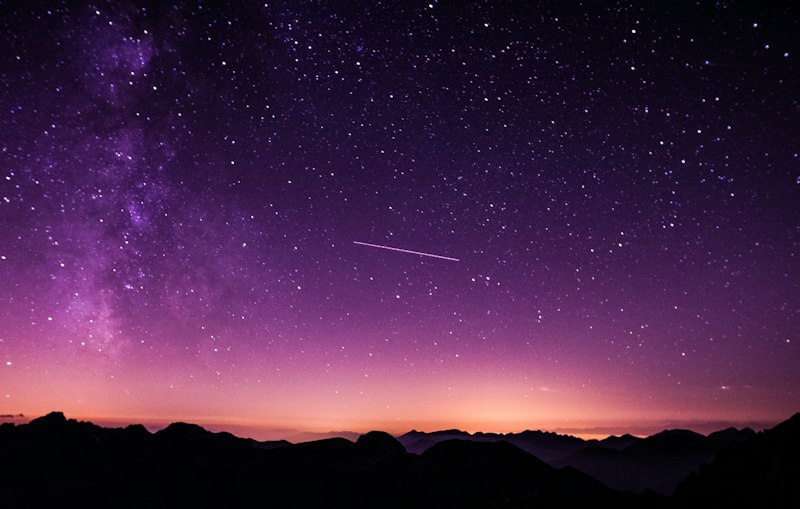
Best Stargazing Spots in the USA (Dark Sky Parks)
Light pollution blocks most Americans from seeing the Milky Way. Here are the best dark sky parks and stargazing locations where the stars still shine bright.
Top Dark Sky Parks
| Park | State | Bortle Class | Best For |
|---|---|---|---|
| Cherry Springs State Park | Pennsylvania | Class 2 | East Coast's darkest sky |
| Big Bend National Park | Texas | Class 1 | Darkest park in lower 48 |
| Mesa Verde | Colorado | Class 2 | Cliff dwellings + stars |
| Joshua Tree | California | Class 3 | Desert landscapes + stars |
| Mauna Kea | Hawaii | Class 1 | World-class observatory |
| Great Basin | Nevada | Class 1 | One of the darkest in the US |
What You Can See
- Milky Way: Visible in Class 1-3 skies on moonless nights
- Andromeda Galaxy: Visible to the naked eye in dark skies
- Orion Nebula: Best visible December-March
- Satellite trails: SpaceX Starlink trains are common now
- Meteor showers: Perseids (August), Geminids (December)
Stargazing Gear
- Red flashlight: Preserves night vision ($10)
- Star chart app: Stellarium (free) or SkySafari ($3)
- Binoculars: 10x50 recommended for deep sky objects
- Telescope (optional): Start with a Dobsonian reflector
- Warm layers: Nighttime temperatures drop fast
The moon phase rule: Plan your trip around the new moon. The week before and after a full moon, the moon's brightness washes out most stars. Check a moon phase calendar before booking your trip.
⚠️ Stargazing Tips:
- Don't use white lights " — red light only, preserve your night vision
- Don't go alone " — dark areas can be dangerous, bring a buddy
- Don't skip the first30 minutes " — your eyes need time to adjust to the dark
- Don't forget the layers " — desert and mountain temperatures drop fast at night
The bottom line: The best dark sky parks: Big Bend (TX), Cherry Springs (PA), Great Basin (NV). Bring a red flashlight, star chart app, and binoculars. Go during a new moon. The Milky Way is visible in Class 1-2 skies on clear, moonless nights.