🏥 Home & Auto
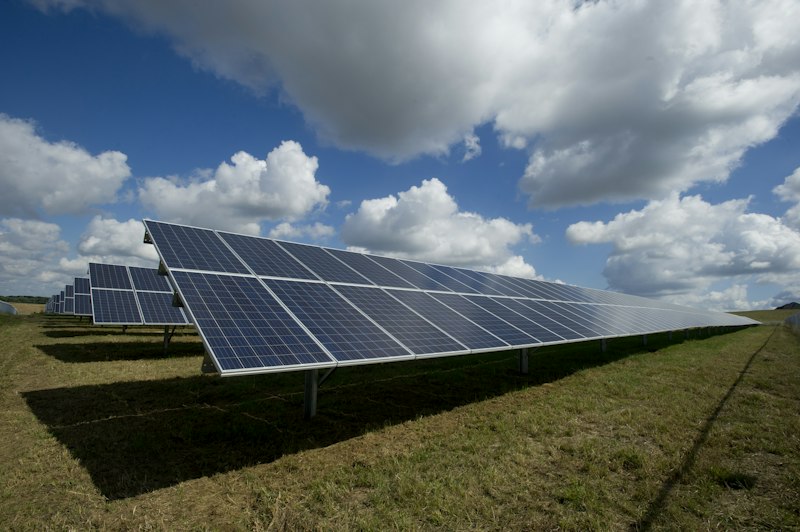
Solar Panels for Your Home: Cost vs. Savings Analysis
The average American home spends $1,800/year on electricity. Solar panels can eliminate that bill entirely " — but the upfront cost is significant. Here's a real-number analysis of whether solar makes financial sense for your home, including the federal tax credit, payback period, and long-term ROI.
Solar Panel Cost Breakdown
| Item | Cost | Notes |
|---|---|---|
| Average system size (8kW) | $20,000-25,000 | Before tax credits |
| Federal tax credit (30%) | -$6,000 to -$7,500 | Available through 2032 |
| State/local incentives | $0 to -$5,000 | Varies by state |
| Net cost after credits | $12,000-18,000 | Final out-of-pocket cost |
| Annual savings | $1,500-2,400 | Depends on electricity rate |
| Payback period | 6-10 years | National average: 8 years |
| 25-year savings | $30,000-60,000 | After system is paid off |
Is Your Home a Good Candidate?
Yes, if you have:
- South-facing roof: Maximizes sun exposure throughout the day
- Minimal shading: No large trees or buildings blocking the roof
- Roof age under 10 years: New roof avoids the cost of removing and reinstalling panels
- High electricity rates: Above $0.15/kWh (check your utility bill)
- Good credit (650+): Required for solar financing and to claim the tax credit
No, if you have:
- North-facing roof: Loses 20-30% efficiency compared to south-facing
- Heavy tree shading: Reduces production by 50%+ and may not be worth installing
- Old roof (15+ years): You'll need to replace the roof before or during solar installation
- Low electricity rates: Under $0.10/kWh " — payback period extends to 12-15 years
- Rental property: You won't benefit from the tax credit if you don't own the home
The 30% Federal Tax Credit
The Inflation Reduction Act provides a 30% tax credit on solar panel installation costs through 2032. This is a dollar-for-dollar reduction in your federal income taxes " — not a deduction.
- Example: $24,000 system × 30% = $7,200 tax credit
- How to claim: File IRS Form 5695 with your tax return
- Carry forward: If your tax liability is less than the credit amount, you can carry the remainder to future years
Solar Financing Options
- Cash purchase: Highest ROI (25%+ return over 25 years). Best if you have the funds.
- Solar loan: $0 down, fixed rates 3-7%. Monthly payment often less than current electric bill.
- Lease/PPA: $0 down, but you don't own the system or get the tax credit. Lower savings.
- HELOC: Use home equity at low interest rates. Interest may be tax-deductible.
Net metering is key: Most states require utilities to buy excess solar energy you produce at retail rates (net metering). This means your meter runs backwards when you overproduce. Check your state's net metering policy " — it dramatically affects solar ROI. States with strong net metering (California, Massachusetts, New York) have the best payback periods.
⚠️ Solar scams to avoid:
- Door-to-door salespeople pressuring you to sign immediately " — legitimate companies don't use high-pressure tactics
- Leases that increase payments annually " — fixed-rate leases or purchases are better
- Companies that don't offer the federal tax credit " — if they can't help you claim it, walk away
- Systems that don't include monitoring " — you need to track production to verify performance
The bottom line: Solar panels make financial sense if your electricity rates are above $0.15/kWh, you have a south-facing roof with minimal shading, and you plan to stay in the home 7+ years. The 30% federal tax credit reduces net cost to $12,000-18,000 for an average system. Payback period is typically 6-10 years, with $30,000-60,000 in savings over 25 years. Get quotes from at least 3 installers and check your state's net metering policy before deciding.