Solar Panels for Your Home: Cost vs. Savings
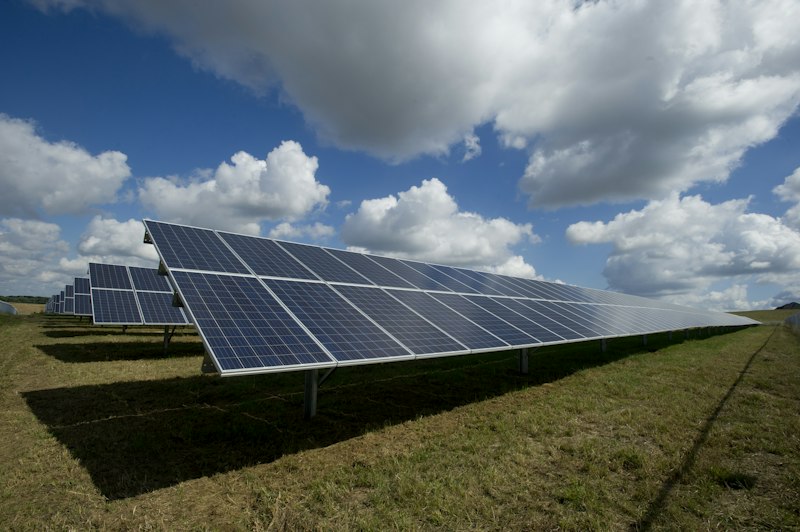
The average American homeowner pays $1,500"$2,400 per year in electricity bills " — and that number climbs every year. Solar panels promise to slash that cost to near zero, but the upfront investment can seem overwhelming. In 2026, with electricity rates up 25% since 2021 and a 30% federal tax credit still available, the math for solar has never looked better. Here's the honest, no-hype breakdown of what solar really costs and what it really saves.
What Does a Home Solar System Actually Cost in 2026?
The national average cost of a residential solar installation is $2.95"$3.50 per watt before incentives. For a typical American home, this translates to:
| System Size | Home Type | Gross Cost | After 30% Tax Credit |
|---|---|---|---|
| 6 kW | Small home, low usage | $18,000"$21,000 | $12,600"$14,700 |
| 8 kW | Average American home | $24,000"$28,000 | $16,800"$19,600 |
| 10 kW | Large home / EV charging | $30,000"$35,000 | $21,000"$24,500 |
| 12 kW+ | Large home + battery storage | $38,000"$50,000+ | $26,600"$35,000 |
Solar panel prices have dropped 89% since 2010 and are still falling. Labor accounts for 10"15% of the total cost; permitting and interconnection add another $500"$2,000 depending on your utility and municipality.
The Federal Solar Tax Credit: Your Biggest Discount
The Inflation Reduction Act (IRA) of 2022 extended and expanded the federal solar Investment Tax Credit (ITC) to 30% through 2032. This is a dollar-for-dollar reduction in your federal tax liability " — not a deduction, an actual credit. On a $25,000 system, that's $7,500 off your tax bill.
Important rules to know:
- You must own (not lease) the system to claim the credit
- You must have enough federal tax liability to use the credit " — if you don't owe $7,500 in federal taxes, unused credit rolls over to future years
- Battery storage systems are also eligible for the 30% credit
- The credit drops to 26% in 2033 and 22% in 2034, then expires for residential installations
- Many states add additional credits: Massachusetts offers 15% state credit, New York offers 25%, California has no income limit for its credit
How Much Will Solar Actually Save You?
Savings depend on three factors: your current electricity rate, how much sun your roof gets, and your utility's net metering policy. Let's run real numbers:
Example household: Phoenix, AZ. Monthly bill: $200 ($2,400/year). Electricity rate: $0.13/kWh. Using 1,538 kWh/month.
- System size needed: ~8 kW (to offset 90"100% of usage)
- Gross cost: $24,000
- After federal credit: $16,800
- Annual electricity savings: $2,100"$2,400
- Payback period: 7"8 years
- 25-year savings (after payback): $30,000"$45,000
- Home value increase: ~$15,000"$20,000 (Lawrence Berkeley Lab data)
Payback Period by State
| State | Avg. System Cost (After Credit) | Annual Savings | Payback Period |
|---|---|---|---|
| Hawaii | $14,000 | $3,200 | 4"5 years |
| Massachusetts | $13,500 | $2,800 | 5"6 years |
| California | $17,500 | $2,600 | 6"7 years |
| Arizona | $15,000 | $2,200 | 6"8 years |
| Texas | $16,000 | $1,900 | 8"9 years |
| New York | $12,000 | $2,400 | 5"6 years |
| Florida | $15,500 | $2,000 | 7"8 years |
| Louisiana | $16,500 | $1,400 | 11"12 years |
Buy vs. Lease vs. Power Purchase Agreement (PPA)
Buying Solar (Cash or Loan)
Best for: Homeowners who plan to stay 10+ years and have good credit or available savings.
- You own the system and claim all tax credits
- Maximum long-term savings ($40,000"$70,000 over 25 years in high-electricity states)
- Increases home value (EPA studies show solar homes sell for 4% more)
- Solar loans: 6.99"9.99% APR for 10"25 years; keep the tax credit to pay down the loan
Leasing Solar
Best for: Homeowners who don't want upfront cost or maintenance responsibility.
- No upfront cost; you pay a fixed monthly lease payment (~$75"$150/month)
- Installer keeps the tax credit " — not you
- Lower savings (typically 10"20% off your bill vs. 80"100% with ownership)
- Can complicate home sales " — buyer must assume the lease or you must buy out the system
Power Purchase Agreement (PPA)
Best for: Homeowners who want zero cost and immediate savings but are comfortable with a long-term contract.
- No upfront cost; you pay per kWh generated at a discounted rate (e.g., $0.09 vs. grid's $0.14)
- Installer owns and maintains the system
- Savings are smaller than ownership but guaranteed for 20"25 years
- Rate escalators in contracts can reduce savings if electricity rates fall
Battery Storage: Worth the Extra Cost?
A Tesla Powerwall 3 costs approximately $9,200 installed (after 30% credit: $6,440). A system with a battery lets you store daytime solar energy for evening use " — critical in states with reduced net metering or time-of-use (TOU) rate structures where evening electricity is most expensive.
Battery storage makes the most financial sense if:
- Your utility has TOU rates with high evening rates
- You're in an area with frequent power outages (hurricane/wildfire zones)
- Your state has reduced or eliminated net metering (like California's NEM 3.0)
- You want backup power for critical loads (medical equipment, EV charging)
In states with strong net metering, a battery may add cost without proportional savings " — you're already getting credit for exported power.
When Solar Is NOT Worth It
- Heavy shading: If your roof gets less than 4 peak sun hours daily, production drops significantly
- Roof needs replacement: A new roof ($8,000"$20,000) should come before solar " — you can't easily move panels
- Planning to move in 3"5 years: You won't hit payback before selling
- Very low electricity bills: If you pay under $80/month, the payback period may exceed 15 years
- HOA restrictions: Some HOAs restrict or prohibit rooftop solar (though many states now prohibit HOA solar bans)
- Door-to-door solar salespeople with high-pressure tactics and undisclosed escalators in contracts
- Promises of "free solar" " — leases and PPAs have costs; read the fine print
- Misleading payback period calculations that ignore interest costs on solar loans
- Companies that go out of business before completing installation " — check reviews and years in business
- Get at least 3 quotes from different installers before committing
How to Get the Best Deal on Solar
- Get 3"5 quotes using EnergySage, SolarReviews, or local installers. Prices vary 20"30% for the same system.
- Ask about panel efficiency: Monocrystalline panels (SunPower, LG, REC) are most efficient; thin-film is cheaper but lower output.
- Understand the warranty: Tier-1 panels carry 25-year production warranties; inverters typically warrant 10"12 years.
- Check state and local incentives at dsireusa.org " — many utilities offer additional rebates ($500"$2,000).
- Time your purchase: Q4 (October"December) often sees installer discounts as they push to meet annual sales quotas.