How to Jump-Start a Dead Car Battery (Safe Step-by-Step Guide)
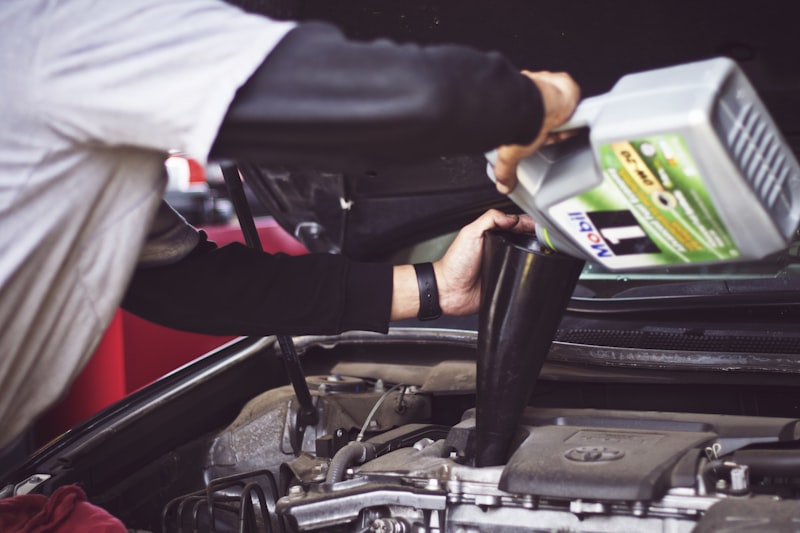
A dead car battery strands roughly 69 million Americans every year. Whether you're in a parking lot at midnight or a suburban driveway on a cold morning, knowing how to jump-start a battery is one of the most practical skills you can have. This guide walks you through it safely " — with jumper cables or a portable jump starter.
What Kills a Car Battery?
Before you jump-start anything, it helps to understand why batteries die in the first place:
- Leaving lights on: The #1 cause " — even 45 minutes with the interior light on can fully drain a battery
- Extreme cold: Temperatures below 32°F reduce battery capacity by up to 35%
- Old age: Most car batteries last 3"5 years; after that, they fail faster and fail more
- Short trips: Driving less than 20 minutes doesn't give the alternator enough time to recharge the battery
- Parasitic drain: A faulty relay, alarm system, or module drawing power while the car is off
Method 1: Jump-Starting with Jumper Cables
You'll need a running vehicle with a charged battery and a set of jumper cables (at least 10-gauge, 16-foot cables recommended).
Step-by-Step Instructions
- Step 1 " — Park the vehicles: Pull the working car nose-to-nose or side-by-side with the dead car. Both vehicles should be off. Make sure they are NOT touching each other.
- Step 2 " — Open both hoods: Locate the batteries. Most are in the engine bay; some are in the trunk (BMW) or under the rear seat (certain Chryslers).
- Step 3 " — Identify terminals: The positive terminal is marked with a "+" and is usually red. The negative is marked "−" and is usually black.
- Step 4 " — Connect RED to dead positive: Clamp one red cable clamp to the positive terminal of the DEAD battery.
- Step 5 " — Connect RED to good positive: Connect the other red clamp to the positive terminal of the GOOD (working) battery.
- Step 6 " — Connect BLACK to good negative: Attach one black clamp to the negative terminal of the GOOD battery.
- Step 7 " — Connect BLACK to unpainted metal (NOT dead battery): Clamp the final black clamp to an unpainted metal surface on the dead car's engine " — a bolt, bracket, or metal strut. Do NOT connect to the dead battery's negative terminal. This prevents sparks near battery gases.
- Step 8 " — Start the working car: Let it run for 2"3 minutes to transfer charge.
- Step 9 " — Start the dead car: Try to start the dead vehicle. If it doesn't start, wait another 2 minutes and try again. If it still won't start after 3 attempts, the battery may need replacing.
- Step 10 " — Remove cables in REVERSE order: Black from engine ground → Black from good battery → Red from good battery → Red from previously dead battery.
- Never let the clamps touch each other once connected " — this can cause dangerous sparks or damage electronics
- Never jump-start a frozen battery " — it can explode
- Never smoke near a battery " — hydrogen gas is flammable
- Keep the cables away from belts, fans, and moving parts
Method 2: Portable Jump Starter (No Second Car Needed)
A portable jump starter (also called a jump pack or battery booster) is a compact lithium battery pack that can start a dead car without a second vehicle. This is the modern, safer option " — and every driver should own one.
How to Use a Portable Jump Starter
- Step 1: Make sure the jump starter is fully charged (check indicator lights)
- Step 2: Turn the jump starter OFF before connecting
- Step 3: Connect red clamp to positive terminal (+) of dead battery
- Step 4: Connect black clamp to unpainted metal ground on the engine (same rule as above " — NOT the battery negative)
- Step 5: Turn on the jump starter
- Step 6: Wait 30"60 seconds, then try starting the car
- Step 7: Once started, turn off and disconnect in reverse order (black first, then red)
Best Portable Jump Starters in 2026
| Model | Peak Amps | Best For | Price |
|---|---|---|---|
| NOCO Boost Plus GB40 | 1,000A | Most cars and light trucks | ~$100 |
| NOCO Boost HD GB70 | 2,000A | Diesel trucks, large SUVs | ~$180 |
| Clore JNCAIR | 1,700A | Professional use, heavy vehicles | ~$150 |
| Tacklife T8 | 800A | Budget option for small-medium cars | ~$55 |
After the Jump-Start: What to Do Next
A successful jump-start doesn't mean your problem is solved. Here's what to do after the engine turns over:
- Drive for at least 30 minutes: The alternator needs time to recharge the battery. Short trips won't cut it.
- Test the battery: AutoZone, O'Reilly, and Advance Auto Parts all offer FREE battery testing. They'll tell you if it's time to replace it.
- Check the alternator: If the battery keeps dying, the alternator (which charges the battery while you drive) may be failing.
- Replace if needed: A new car battery typically costs $100"$200 installed. Don't delay " — a failing battery can leave you stranded again within days.
Signs Your Battery Is Dying (Before It's Fully Dead)
- Engine cranks slowly or hesitates before starting
- Headlights appear dim, especially at idle
- Battery warning light illuminates on your dashboard
- Electrical accessories (windows, radio) behave erratically
- Battery is more than 4 years old
- Swelling or corrosion visible on battery terminals
Jumper Cable Buying Guide
Not all jumper cables are equal. Cheap cables with thin wires can overheat and fail mid-jump. Look for:
- Wire gauge: 4-gauge or 6-gauge for most vehicles; 2-gauge for diesel trucks. Lower number = thicker wire = more power.
- Length: At least 16 feet so you can connect cars without positioning them perfectly
- Clamp quality: Heavy-duty copper-coated steel clamps grip better and resist corrosion
- Price range: Spend at least $30"$50 for reliable cables. Cheap $10 cables from dollar stores can melt.
When Jump-Starting Won't Work
Jump-starting has limits. It won't work (or won't last) if:
- The battery has a dead cell or internal short " — it won't hold a charge at all
- The alternator is broken " — car may start but battery dies again within minutes
- The starter motor is faulty " — you'll hear a single click instead of engine cranking
- There's a major electrical fault " — the car may start but behave erratically
In these cases, you'll need a mechanic. AAA membership (~$60"$130/year) is worth having for roadside assistance, especially if you drive older vehicles.