Intermittent Fasting Schedule: 16/8 vs. 5/2 Compared
Intermittent fasting (IF) is one of the most popular and evidence-backed dietary approaches for weight loss and metabolic health. Rather than restricting what you eat, IF restricts when you eat. Here's how the most popular methods compare and which one is right for you.
The Most Popular Intermittent Fasting Methods
| Method | Schedule | Difficulty | Best For |
|---|---|---|---|
| 16/8 Method | Fast 16 hours, eat in 8-hour window daily | Easy | Beginners, sustainable daily routine |
| 5/2 Diet | Eat normally 5 days, restrict to 500-600 calories 2 days | Moderate | People who prefer not to fast daily |
| Eat-Stop-Eat | 24-hour fast once or twice per week | Hard | Experienced fasters |
| OMAD | One meal per day (23:1 fasting) | Very Hard | Advanced fasters, maximum simplicity |
16/8 Method: The Most Popular Approach
You fast for 16 hours and eat all your meals within an 8-hour window. The most common schedule is eating from 12pm to 8pm, skipping breakfast. You can also do 10am to 6pm or any 8-hour window that fits your lifestyle.
- Pros: Easy to maintain, no calorie counting, fits most lifestyles, can be done daily
- Cons: May be difficult if you're a breakfast person or have early morning social meals
- Evidence: Studies show 16/8 fasting reduces body weight by 3-8% over 3-24 weeks and improves insulin sensitivity
5/2 Diet: Two Low-Calorie Days Per Week
You eat normally for 5 days and restrict calories to 500 (women) or 600 (men) on 2 non-consecutive days. On fasting days, you typically eat two small meals (250-300 calories each).
- Pros: Only 2 days of restriction per week, no food restrictions on normal days
- Cons: Very low calorie days can be difficult, may cause overeating on normal days
- Evidence: Studies show 5/2 produces similar weight loss to daily calorie restriction with better adherence for some people
What to Eat During Eating Windows
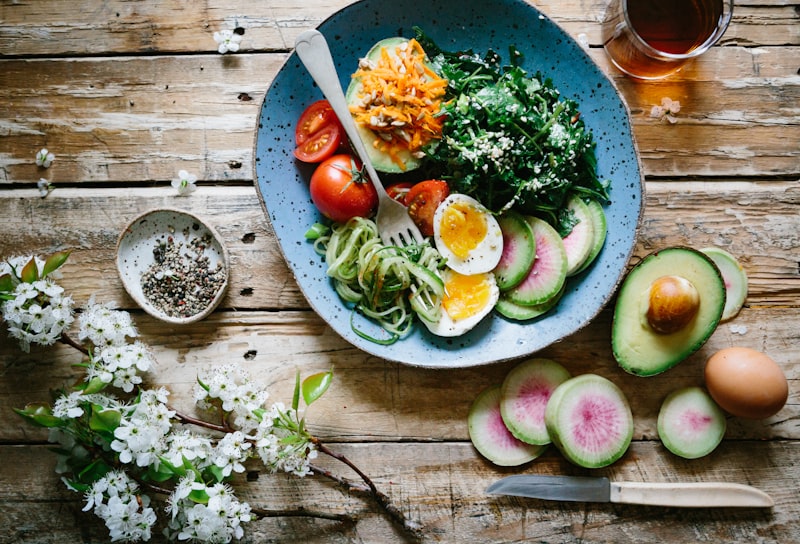
Intermittent fasting is not a license to eat junk food. Focus on whole, nutrient-dense foods:
- Proteins: Lean meats, fish, eggs, beans, tofu
- Vegetables: Leafy greens, broccoli, peppers, tomatoes
- Healthy fats: Olive oil, avocado, nuts, seeds
- Complex carbs: Sweet potatoes, brown rice, oats
- Hydration: Water, black coffee, unsweetened tea during fasting windows
- Pregnant or breastfeeding women
- People with a history of eating disorders
- People with diabetes (especially Type 1) without medical supervision
- Children and teenagers
- People who are underweight