How to Check the Oil in Your Car (And When to Change It)
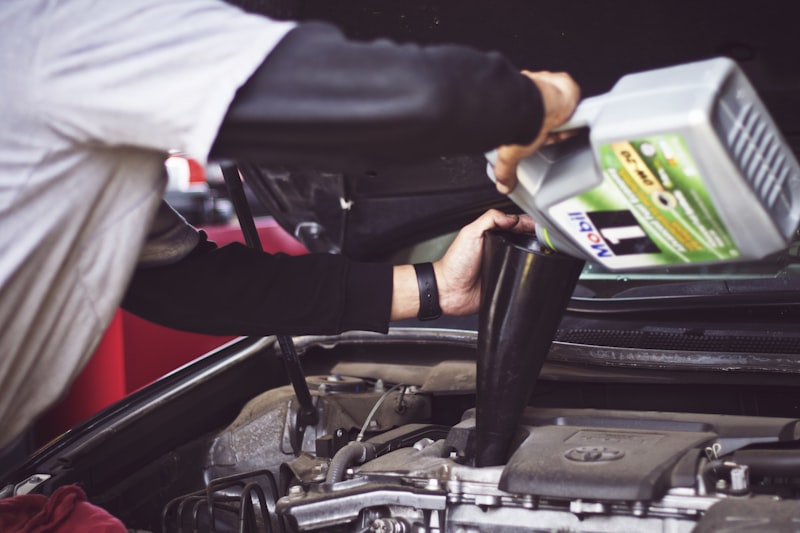
Engine oil is your car's lifeblood. Running low " — or running on dirty, degraded oil " — is one of the leading causes of catastrophic engine failure, and repairs can cost $4,000"$10,000. Yet checking your oil takes two minutes and costs nothing. This guide covers exactly how to check your oil, what the color and consistency mean, when to change it, and what type of oil your engine actually needs.
Why Engine Oil Matters (And Why People Neglect It)
Engine oil performs five critical functions: it lubricates thousands of moving metal parts, reduces friction, dissipates heat, cleans the engine by suspending particles, and prevents corrosion. Without adequate oil, metal surfaces grind against each other and generate heat that warps and welds components together " — a process called "seizing." A seized engine is not repairable; you need a replacement, which costs more than most people's cars are worth.
The "change oil every 3,000 miles" rule was true for conventional oil in older engines. Modern synthetic oils and modern engines have extended that to 5,000"10,000 miles or more. But checking the oil level monthly is still critical " — some engines consume oil between changes, and a quart low is enough to cause damage on a long drive.
What You Need to Check Your Oil
- A clean white paper towel or rag
- Your vehicle parked on level ground
- A cold or slightly warm engine (not hot " — wait 5"10 minutes after driving)
That's it. No tools, no special equipment. The dipstick is accessible with your hands.
Step-by-Step: How to Check Your Oil Level
Step 1: Park on Level Ground and Wait
Oil checking requires level ground so the oil sits flat in the pan and gives you an accurate reading. If you just drove, wait 5"10 minutes for oil to drain back to the pan and for the engine to cool slightly. Checking immediately after a hot engine run can give you a slightly low reading (oil is thinner when hot, some is still coating engine parts).
Step 2: Open the Hood and Find the Dipstick
Pull the hood release lever (usually under the dash on the driver's side), then find and lift the hood prop. The oil dipstick is typically located near the front-center of the engine and has a brightly colored handle " — usually yellow, orange, or red " — labeled "ENGINE OIL" or marked with an oil can icon. On some modern vehicles (BMW, some Mercedes), the dipstick has been replaced by an electronic oil level sensor readable from your dashboard.
Step 3: Pull, Wipe, and Reinsert
Pull the dipstick all the way out. Wipe it completely clean with your paper towel or rag " — this initial reading means nothing because oil has splashed on the dipstick from driving. Reinsert the dipstick all the way back in, making sure it's fully seated. Wait 2"3 seconds, then pull it out again slowly.
Step 4: Read the Level
Hold the dipstick horizontally and look at the tip. You'll see two marks " — MIN/L (low) and MAX/H (high), sometimes indicated with hatch marks or two dots. The oil film on the dipstick should fall between these two marks, ideally closer to the MAX line. If it's at or below the MIN mark, you need to add oil immediately. If it's above MAX, you may have been overfilled (also a problem " — excess oil can foam and lose lubricating ability).
Step 5: Check the Oil Color and Condition
While the dipstick is out, rub a bit of the oil between your fingers and look at its color:
- Amber/golden yellow: New or recently changed oil " — excellent condition
- Light to medium brown: Normal wear " — this is fine, oil naturally darkens
- Very dark brown to black: Oil is dirty and due for a change
- Milky, gray, or foamy: Water or coolant has contaminated the oil " — this is serious; stop driving and see a mechanic. Could indicate a blown head gasket.
- Gritty particles visible: Metal particles in oil " — severe engine wear; see a mechanic immediately
- Very thin with a gasoline smell: Fuel has contaminated the oil " — can indicate a rich-running engine or injector problem
How to Add Oil (When the Level Is Low)
If your oil level is at or below MIN, add oil. Find the oil filler cap on top of the engine " — it's larger than the dipstick, typically has an oil can icon, and is labeled with the oil viscosity your engine requires (e.g., "5W-30"). Remove the cap and set it somewhere safe.
Add oil in small amounts " — half a quart at a time. Wait 1"2 minutes for the oil to drain to the pan, then recheck the dipstick. It's easy to overfill, and overfilling is problematic. Add oil until the level is between the MIN and MAX marks, ideally at or near MAX.
What Type of Oil Does Your Car Need?
The correct oil type is in your owner's manual and often on the oil filler cap. The viscosity rating (like 5W-30 or 0W-20) tells you how the oil flows at different temperatures. Never substitute a different viscosity without checking " — modern engines are precision-designed for specific oil weights and using the wrong type can void your warranty and damage seals.
| Oil Type | Common For | Typical Change Interval |
|---|---|---|
| Conventional 5W-30 | Older vehicles, high-volume engines | 3,000"5,000 miles |
| Synthetic 5W-30 | Most modern cars | 7,500"10,000 miles |
| Full Synthetic 0W-20 | Modern fuel-efficient engines (Toyota, Honda) | 5,000"10,000 miles |
| High-Mileage Synthetic | Vehicles over 75,000 miles | 5,000"7,500 miles |
| Diesel Engine Oil | Diesel-powered vehicles | 5,000"10,000 miles (varies) |
When Should You Change Your Oil? (The Modern Rules)
The "every 3,000 miles" rule is outdated for any vehicle built after the mid-2000s using synthetic oil. Here's the modern guide:
- Severe driving conditions (3,000"5,000 miles): Lots of short trips under 10 miles, frequent towing or hauling, extreme temperatures, dusty environments, stop-and-go city driving primarily
- Normal conditions, conventional oil (5,000"7,500 miles): Mixed city/highway driving, moderate temperatures, vehicle under 75,000 miles
- Normal conditions, full synthetic (7,500"10,000 miles): Most modern vehicles using the manufacturer-recommended synthetic
- Extended-drain synthetic (10,000"15,000 miles): Some modern European vehicles (BMW, Mercedes, VW) specify these intervals " — follow the manufacturer, not the quick-lube shop
The best answer: follow your vehicle's oil life monitoring system if it has one (most 2010+ vehicles do). These systems actually track your driving conditions and calculate remaining oil life " — they're more accurate than any fixed mileage interval.
Signs Your Oil Needs Changing Right Now
- Oil change warning light or "oil life" monitor below 15%
- Dark black oil on the dipstick
- Engine is louder than usual, especially at startup (clattering, knocking)
- You can't remember the last oil change and it's been more than 6 months
- The car has been consuming oil (add a quart every 1,000 miles or less = problem)
DIY Oil Change vs. Quick Lube Shop
| Option | Cost | Time | Best For |
|---|---|---|---|
| DIY oil change | $25"$50 in materials | 30"45 min | Handy homeowners with a jack and drain pan |
| Quick lube (Jiffy Lube, etc.) | $50"$120 conventional / $80"$150 synthetic | 15"30 min wait | Most drivers; convenience beats cost savings |
| Dealership oil change | $80"$200 | 1"2 hrs (with appointment) | Warranty compliance, complex vehicles |
- They will upsell aggressively " — air filters, cabin filters, wiper blades, flushes. You don't need most of these at every visit.
- Ask them to show you the dirty filter before you agree to replace it
- Always confirm they installed the right oil grade for your vehicle
- Counterfeit oil filters are sold " — stick to brands like Wix, Bosch, or OEM filters
- Verify they actually changed your oil (check the sticker date vs. your odometer)