🏥 Health
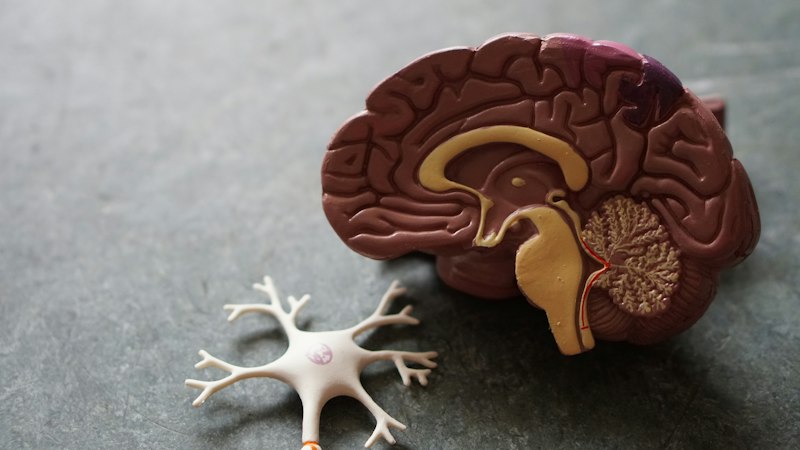
Signs and Symptoms of ADHD in Adults
ADHD does not disappear in adulthood. Approximately 4.4% of American adults live with ADHD, yet fewer than 25% have been diagnosed. If you have always felt scattered, struggled with focus, or felt like you are not living up to your potential, adult ADHD could be the reason.
Three Types of Adult ADHD
- Predominantly Inattentive (ADD): Difficulty focusing, organizing, and completing tasks
- Predominantly Hyperactive-Impulsive: Restlessness, impulsive decisions, difficulty waiting
- Combined type: Symptoms of both inattention and hyperactivity
18 Common Signs of Adult ADHD
Inattention Symptoms
- Chronic procrastination " — putting off tasks until the last minute, even important ones
- Difficulty sustaining focus " — zoning out during meetings, reading the same paragraph multiple times
- Poor organization " — messy desk, cluttered home, difficulty keeping track of belongings
- Forgetfulness " — missing appointments, forgetting conversations, losing keys regularly
- Difficulty with details " — making careless errors, overlooking important information
- Easy distractibility " — getting sidetracked by phone notifications, noises, or internal thoughts
- Task avoidance " — avoiding or delaying tasks that require sustained mental effort
- Daydreaming " — mentally checking out during conversations or routine activities
- Difficulty following through " — starting projects with enthusiasm but abandoning them before completion
Hyperactivity and Impulsivity Symptoms
- Inner restlessness " — feeling fidgety or on edge, even when sitting still
- Excessive talking " — talking more than others, dominating conversations
- Impulsive decisions " — making snap choices without considering consequences
- Difficulty waiting " — interrupting others, finishing sentences, impatient in lines
- Emotional dysregulation " — quick to anger, mood swings, overreacting to small problems
- Hyperfocus " — getting absorbed in interesting tasks for hours, losing track of time
- Restlessness " — difficulty relaxing, always needing to stay busy
- Risk-taking behavior " — impulsive spending, reckless driving, substance use
- Low frustration tolerance " — giving up quickly when tasks become difficult
The hyperfocus paradox: People with ADHD can sometimes focus intensely on tasks they find interesting, which makes others think they cannot have ADHD. Hyperfocus is actually a core ADHD symptom. The issue is not an inability to focus. It is an inability to regulate which tasks get your attention.
ADHD in Women vs Men
| Characteristic | ADHD in Men | ADHD in Women |
|---|---|---|
| Presentation | More hyperactive-impulsive | More inattentive (ADD) |
| External signs | Fidgeting, interrupting, restlessness | Mental drift, forgetfulness, organization struggles |
| Diagnosis rate | Diagnosed in childhood more often | Frequently undiagnosed until adulthood |
| Coping mechanisms | Less masking | Higher masking, may appear high-functioning |
| Common misdiagnosis | Behavioral issues | Anxiety, depression, bipolar disorder |
How ADHD Affects Daily Life
- Work: Missed deadlines, difficulty with repetitive tasks, underperformance relative to intelligence
- Relationships: Forgetting important dates, not listening, emotional outbursts
- Finances: Impulsive spending, unpaid bills, difficulty budgeting
- Health: Forgetting medications, inconsistent self-care, higher rates of substance abuse
- Self-esteem: Lifelong pattern of underachievement creates feelings of inadequacy
Getting Diagnosed
Adult ADHD diagnosis requires a comprehensive evaluation by a psychiatrist, psychologist, or primary care physician trained in ADHD. The process includes:
- Clinical interview about symptoms and history
- Standardized ADHD rating scales (ASRS or DIVA-5)
- Review of childhood report cards or school records
- Screening for co-existing conditions (anxiety, depression, sleep disorders)
⚠️ Common co-occurring conditions with adult ADHD:
- Depression (affects 50% of adults with ADHD)
- Anxiety disorders (affects 40-50%)
- Sleep disorders (affects 70-80%)
- Substance use disorders (affects 25-40%)
- Learning disabilities (affects 30-50%)
The bottom line: Adult ADHD is real, common, and treatable. If you identify with 6 or more symptoms listed above that have been present since childhood, consider seeking an evaluation. Treatment options include medication (stimulants are 80% effective), cognitive behavioral therapy, coaching, and lifestyle modifications that dramatically improve quality of life.