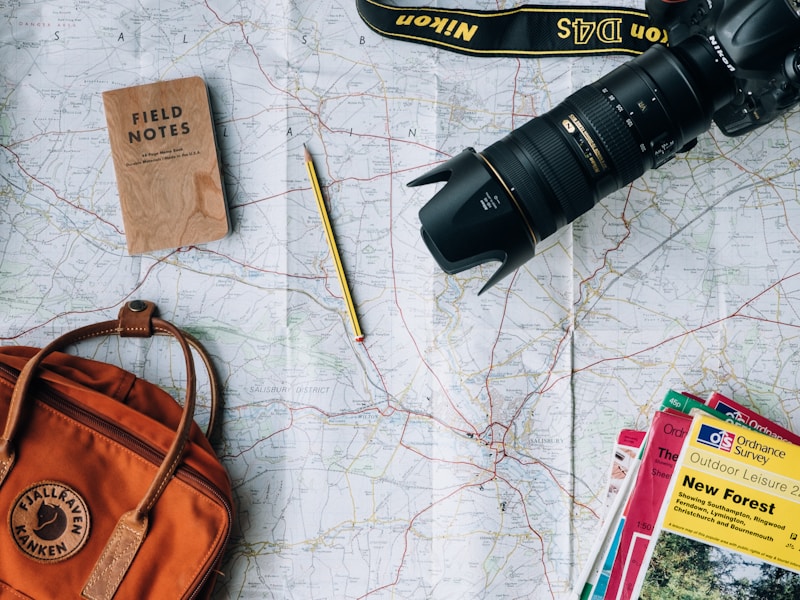
Budget travel is not about sacrificing experiences or settling for less, but rather about making strategic decisions that maximize value while minimizing unnecessary expenses, allowing you to travel more frequently and to more destinations than a luxury-focused approach would permit. The average American spends $1,200 per person on domestic trips and $3,500 on international trips, but savvy budget travelers regularly visit the same destinations for 40% to 60% less by understanding timing, leveraging technology, and adopting flexible mindsets about accommodation, transportation, and dining. The explosion of budget airlines, peer-to-peer accommodation platforms, and travel deal aggregators has democratized travel in ways that were impossible just a decade ago, creating opportunities for students, young professionals, and families to explore the world without draining savings accounts or accumulating credit card debt. This comprehensive guide reveals the specific strategies, tools, and habits that enable budget travelers to experience rich, fulfilling travel while spending significantly less than the average tourist, covering everything from flight booking tactics and accommodation alternatives to food strategies and destination selection that stretches every dollar further.
Finding Cheap Flights and Transportation
Transportation costs typically represent the largest expense in any travel budget, making flight booking strategy one of the most impactful skills a budget traveler can develop. The single most effective strategy is booking flights on Tuesday afternoons and Wednesday mornings, when airlines historically release fare sales and competitors match prices. Setting up fare alerts through Google Flights, Skyscanner, and Hopper allows you to track price fluctuations for specific routes and receive notifications when prices drop to historical lows. The sweet spot for domestic flights is booking 45 to 60 days before departure, while international flights are cheapest when booked 2 to 3 months in advance. Budget carriers like Spirit, Frontier, and Allegiant offer base fares 30% to 50% lower than legacy carriers, though you must carefully calculate the true cost after adding baggage fees, seat selection charges, and other extras that can eliminate the savings. For European travel, budget airlines like Ryanair, EasyJet, and Wizz Air offer fares as low as $20 between major cities, making multi-country itineraries financially feasible. Ground transportation offers additional savings opportunities, with bus services like FlixBus and Greyhound providing cross-country travel at fraction of flight costs. Car rental prices drop significantly when booked through aggregator sites like AutoSlash, which automatically applies coupons and rebooks at lower rates. For city exploration, public transit passes, bike-sharing programs, and walking remain the most cost-effective options, with many cities offering tourist transit passes that provide unlimited rides at discounted rates.
Budget Accommodation Strategies
Accommodation represents the second-largest travel expense, and creative approaches to lodging can dramatically reduce costs without sacrificing comfort or safety. Hostels have evolved far beyond their reputation as noisy dormitories for backpackers, with modern hostels offering private rooms, co-working spaces, organized social events, and amenities that rival budget hotels at half the price. In major cities, hostel dorm beds range from $20 to $50 per night, while private rooms cost $60 to $120, compared to $150 to $250 for equivalent hotel rooms. Platforms like Hostelworld and Booking.com allow you to compare reviews, amenities, and locations across hundreds of options. Airbnb and Vrbo offer significant savings for travelers staying longer than two nights, particularly for families or groups who benefit from shared kitchen facilities and living spaces. Booking entire apartments often costs less than hotel rooms while providing more space, privacy, and the ability to prepare meals that reduce dining expenses. For longer stays of a week or more, monthly discounts of 20% to 40% are common on these platforms. House-sitting through platforms like TrustedHousesitters allows travelers to stay in comfortable homes for free in exchange for caring for pets and maintaining the property, creating opportunities for extended stays in expensive destinations. Camping remains the ultimate budget accommodation option, with national park campsites costing $15 to $35 per night and providing access to outdoor experiences that expensive hotels cannot match. Couchsurfing connects travelers with local hosts who provide free accommodation and invaluable local knowledge, creating authentic cultural experiences while eliminating lodging costs entirely.
Food and Dining on a Budget
Food expenses can either consume a disproportionate share of your travel budget or become an opportunity to save significantly while experiencing local culture more authentically than tourist-focused restaurants allow. The most impactful strategy is choosing accommodation with kitchen facilities and preparing at least one meal per day, which typically saves $20 to $40 per person daily compared to eating every meal at restaurants. Shopping at local markets and grocery stores provides access to fresh, authentic food at local prices rather than tourist-markup restaurant prices. Street food and market stalls offer the best value for travelers who want to eat out while minimizing costs, providing authentic local flavors at $3 to $8 per meal compared to $15 to $30 at sit-down restaurants. In Southeast Asia, street food meals cost as little as $1 to $2, while in Europe, market sandwiches and food hall meals offer substantial portions for $5 to $10. Restaurant lunch specials and early bird dinner deals offer the same food at 30% to 50% less than evening menu prices, making strategic timing a powerful budget tool. Happy hour specials at restaurants and bars often include substantial food items alongside discounted drinks, creating opportunities for satisfying meals at fraction of regular prices. Packing snacks and water bottles for day trips eliminates the need to purchase overpriced food at tourist attractions, where markup routinely exceeds 200%.
Money-Saving Travel Habits
Beyond specific booking tactics, developing consistent money-saving habits throughout your trip amplifies savings and ensures that your budget stretches as far as possible. Traveling during shoulder season, the period between peak and off-peak seasons, offers the best combination of good weather, fewer crowds, and significantly lower prices. Destinations like Europe, the Caribbean, and Southeast Asia see price drops of 25% to 40% during shoulder months like April, May, September, and October. Using no-foreign-transaction-fee credit cards like Chase Sapphire Preferred or Capital One Venture eliminates the 3% surcharge that most cards impose on international purchases, saving hundreds of dollars on extended trips. withdrawing local currency from ATMs rather than exchanging money at airports or hotels provides better exchange rates and lower fees, though your bank may charge $3 to $5 per withdrawal. Travel insurance, while an additional expense, protects against catastrophic costs that could devastate your finances, making it an essential budget travel investment rather than a luxury. Free walking tours, museum free days, and community events provide rich cultural experiences without admission fees, and many cities offer free attractions like parks, beaches, markets, and neighborhoods that provide authentic local experiences at zero cost. Setting a daily spending limit and tracking expenses through apps like Trail Wallet or TravelSpend creates accountability that prevents overspending on impulse purchases while maintaining awareness of your remaining budget.
Why This Matters in 2026
Budget travel skills have become increasingly valuable in 2026 as economic pressures push Americans to seek affordable ways to maintain mental health, build relationships, and create lasting memories without incurring devastating debt. The research consistently shows that travel experiences contribute more to long-term happiness than material purchases, making budget travel strategies that enable more frequent trips one of the highest-value investments in personal well-being. As inflation continues affecting household budgets, the ability to travel affordably becomes a skill that preserves quality of life while protecting financial stability. The budget travel community has also grown into a supportive network where experienced travelers share tips, deals, and strategies that make affordable travel increasingly accessible to people at every income level. Learning to travel on a budget is not about deprivation but about developing the skills and mindset that enable you to explore the world on your own terms, creating rich experiences that enhance your life without compromising your financial future.
Frequently Asked Questions
How much money do I need for a budget trip to Europe?
A budget trip to Europe costs approximately $50 to $80 per day, including accommodation in hostels, meals from markets and street vendors, local transportation, and one paid attraction. For a two-week trip, budget $700 to $1,100 plus airfare, which typically costs $400 to $800 from the US when booked in advance.
What is the cheapest time to travel?
The cheapest travel period is typically January through March and September through November, excluding holiday weeks. These shoulder and off-peak periods offer the lowest airfare, accommodation, and attraction prices while still providing pleasant weather in most destinations.
How can I travel for free?
House-sitting, couchsurfing, work exchanges through platforms like Workaway and WWOOF, and travel credit card sign-up bonuses can eliminate accommodation costs entirely. Some travelers combine these strategies with remote work to travel indefinitely while maintaining income.
Is budget travel safe?
Budget travel is as safe as any other type of travel when you exercise normal precautions. Research neighborhoods before booking accommodation, use reputable platforms for booking, trust your instincts, and maintain awareness of your surroundings. Budget accommodations in popular tourist areas are generally very safe.
Should I get a travel credit card?
A travel credit card with no foreign transaction fees and a strong sign-up bonus is one of the best investments for budget travelers. Cards like the Chase Sapphire Preferred or Capital One Venture provide valuable points, travel protections, and fee savings that easily justify any annual fee.