Spokane Fires 2026: Evacuations, Emergency Updates, and How to Help
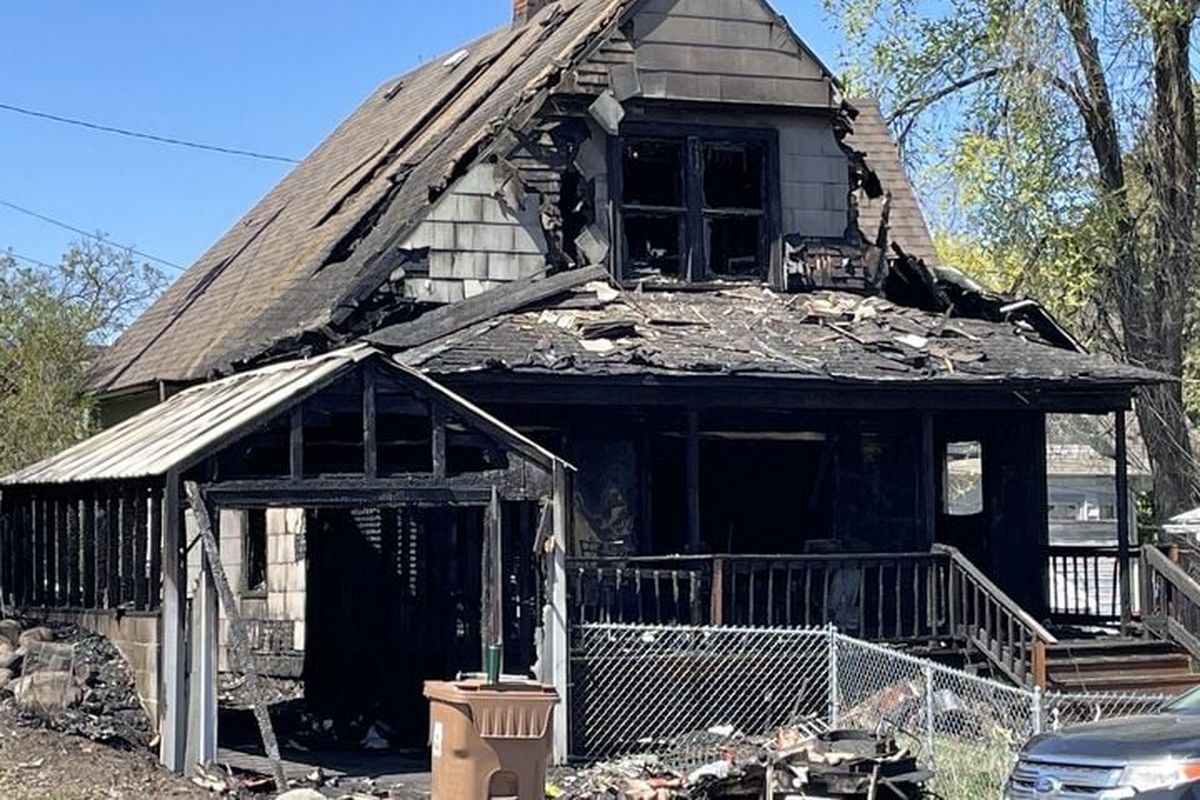
Wildfires are raging near Spokane, Washington, forcing thousands of residents to evacuate their homes as fire crews battle dangerous conditions across the region. The fires, fueled by extreme heat, dry vegetation, and high winds, have burned tens of thousands of acres and destroyed dozens of structures. This article provides the latest updates on the Spokane fires, evacuation information, and resources for anyone affected by the disaster.
Current Status of the Spokane Fires
Multiple fires are burning in and around Spokane County as of August 2, 2026. The largest fire, which has been named the Spokane Valley Fire, has burned over 30,000 acres and is only 15 percent contained. A second fire near Medical Lake has burned approximately 12,000 acres with 20 percent containment. A third smaller fire near Liberty Lake is 40 percent contained after burning 8,000 acres.
Fire officials report that wind conditions have been unpredictable, making containment efforts extremely challenging. Gusts up to 35 miles per hour have pushed flames in unexpected directions, forcing crews to repeatedly adjust their strategies. The combination of extreme heat, with temperatures exceeding 105 degrees, and single-digit humidity has created a powder keg situation across eastern Washington.
Over 2,000 firefighters are currently working the fires, including crews from neighboring states Oregon, Idaho, and Montana. Aerial firefighting resources, including water-dropping helicopters and fixed-wing tankers, have been deployed from across the Pacific Northwest. Despite these efforts, officials warn that full containment could take several more days or even weeks.
Evacuation Zones and Emergency Shelters
Spokane County has issued mandatory evacuation orders for several areas, including parts of Spokane Valley, Millwood, and communities east of the city along the Spokane River. A Level 3 "Get Now" evacuation order is in effect for the following areas:
- East Trent Avenue corridor from Sullivan Road to the Idaho border
- Areas north of Interstate 90 between Spokane Valley and Liberty Lake
- Communities surrounding Medical Lake including Four Lakes and Airway Heights
- Residential areas near the Spokane Fair and Expo Center
Evacuees are directed to the following emergency shelters:
- Spokane Convention Center: 334 W Spokane Falls Blvd, Spokane, WA 99201. This shelter has capacity for 1,500 people and is pet-friendly.
- Liberty Lake Pavilion: 23400 E Mission Ave, Liberty Lake, WA 99019. Capacity for 500 people.
- Spokane County Fairgrounds: 404 N Havana St, Spokane, WA 99202. Capacity for 2,000 people and livestock.
The American Red Cross is operating all three shelters, providing food, water, bedding, and basic medical assistance. Pet owners should bring their animals to the Convention Center or Fairgrounds, where temporary kenneling is available.
How the Fires Started
The Spokane fires were caused by a combination of factors that created perfect conditions for wildfire ignition and rapid spread. A series of thunderstorms swept through eastern Washington on July 30, bringing lightning but very little rainfall. The lightning strikes ignited multiple fires in dry brush and timber across the region.
What made these fires particularly dangerous was the weather pattern that followed. A high-pressure system settled over the Pacific Northwest, bringing extreme heat and very low humidity. Temperatures in Spokane exceeded 105 degrees for three consecutive days, drying out vegetation and creating conditions where fires could spread rapidly.
Wind has been the biggest enemy for firefighters. Unlike the steady winds that typically accompany fire weather, the winds near Spokane have been erratic and gusty, changing direction without warning. This has made it extremely difficult for aerial firefighting assets to operate effectively and has forced ground crews to retreat multiple times.
Air Quality and Health Warnings
The Spokane fires have created dangerous air quality conditions across eastern Washington and into northern Idaho. As of August 2, the Air Quality Index (AQI) in Spokane is at 287, which is classified as "Very Unhealthy." This means that everyone in the area should limit outdoor activities, and sensitive groups should remain indoors.
The Spokane Regional Health District has issued the following recommendations:
- Remain indoors with windows and doors closed as much as possible
- Run air conditioning on recirculate mode to avoid pulling in smoky air
- Use HEPA air purifiers if available, especially in bedrooms
- Avoid physical exertion outdoors, even for healthy individuals
- Wear N95 or KN95 masks if you must go outside
- Watch for symptoms of smoke inhalation including coughing, shortness of breath, and eye irritation
Schools and some businesses in Spokane have closed due to the poor air quality. Spokane International Airport has reported flight delays and cancellations due to reduced visibility. Health officials warn that conditions are expected to remain poor until the fires are contained or weather conditions change to allow smoke to disperse.
Emergency Preparedness: How to Protect Yourself
Whether you live in a wildfire-prone area or not, the Spokane fires are a reminder that everyone should be prepared for emergencies. Here are some essential steps to protect yourself and your family:
Create an Emergency Go-Bag
Every household should have an emergency go-bag ready to go at all times. Your go-bag should include:
- Water: One gallon per person per day for at least three days
- Non-perishable food for at least three days
- Flashlight and extra batteries
- First aid kit
- Important documents (copies of IDs, insurance policies, birth certificates) in a waterproof container
- Medications for at least one week
- Cash in small bills
- Phone chargers and portable battery packs
- Change of clothes and sturdy shoes for each family member
- Pet supplies if you have animals
Know Your Evacuation Routes
Identify at least two evacuation routes from your neighborhood and practice them with your family. In an emergency, your primary route may be blocked by fire, traffic, or debris. Having alternate routes can save your life.
For Spokane residents, key evacuation routes include:
- West on Interstate 90 toward downtown Spokane
- North on Division Street toward Mead
- South on Highway 195 toward Colfax
- West on Firefox toward Airway Heights
Prepare Your Home for Wildfire
If you live near wildland areas, take these steps to make your home more defensible:
- Clear vegetation within 30 feet of your home
- Remove dead leaves and debris from gutters and roofs
- Store firewood at least 30 feet from your house
- Keep garden hoses connected and accessible
- Close all windows and doors before evacuating
- Leave lights on so firefighters can see your home through smoke
How to Help Spokane Fire Victims
If you want to help those affected by the Spokane fires, there are several ways to contribute:
Donate Money
The most effective way to help is by donating money to established relief organizations:
- American Red Cross: Text REDCROSS to 90999 to donate $10, or visit redcross.org
- Spokane County United Way: Visit spokaneunitedway.org to donate to the fire relief fund
- Washington State Fire Fund: The state has established a dedicated fund for fire victims at wa.gov/fire-relief
Donate Supplies
Emergency shelters are in need of the following items:
- Bottled water and sports drinks
- Non-perishable food items
- Baby formula and diapers
- Pet food and animal carriers
- Blankets and sleeping bags
- Toiletries and personal hygiene products
Drop-off locations include the Spokane Convention Center, all local fire stations, and participating grocery stores including Safeway and Rosauers.
Volunteer
The American Red Cross and Spokane County Emergency Management are seeking volunteers to help at emergency shelters. Training is provided on-site. To volunteer, call the Spokane Red Cross chapter at (509) 455-5395 or visit the volunteer portal at redcross.org/volunteer.
Offer Housing
If you have a spare room or property, consider offering it to displaced families. The website Airbnb.org has activated its disaster relief program, allowing hosts to offer free housing to evacuees. You can also contact local churches and community organizations to coordinate housing assistance.
Insurance and Recovery After Wildfires
If your property has been damaged or destroyed by the Spokane fires, the recovery process can feel overwhelming. Here are some important steps to take:
Contact Your Insurance Company Immediately: Most homeowner's insurance policies cover fire damage, but you need to file a claim as soon as possible. Document all damage with photos and video before cleaning up if it is safe to do so.
Keep All Receipts: Save receipts for all expenses related to the fire, including hotel stays, food, clothing, and emergency repairs. These may be reimbursable under your insurance policy.
Apply for FEMA Assistance: If a federal disaster declaration is issued, you may be eligible for FEMA assistance. Apply at disasterassistance.gov or call 1-800-621-3362.
Watch for Scams: Unfortunately, disasters bring out scammers. Be wary of contractors who show up uninvited, require large upfront payments, or pressure you to sign contracts immediately. Check references and verify licenses before hiring anyone.
Long-Term Recovery and Community Support
Recovery from wildfires takes months and even years. The community of Spokane has a strong tradition of coming together during difficult times, and numerous organizations are already mobilizing to support long-term recovery efforts.
The Spokane Community Foundation has established a Wildfire Recovery Fund that will provide grants to affected families for housing, food, and other basic needs. Local businesses are also stepping up, with several restaurants providing free meals to evacuees and first responders.
For ongoing updates on the Spokane fires, follow the Spokane County Fire District, the Washington State Department of Natural Resources, and local news outlets including the Spokesman-Review and KREM 2 News.
Frequently Asked Questions
What caused the Spokane fires in 2026?
The Spokane fires were caused by a combination of extreme heat, low humidity, and high winds. Dry vegetation and lightning strikes from thunderstorms provided additional fuel for the fires to spread rapidly across the region.
How many acres have burned near Spokane?
The fires near Spokane have burned over 50,000 acres combined, destroying dozens of structures and forcing thousands of residents to evacuate. Fire crews are working around the clock to contain the blazes.
What should I do if I need to evacuate due to a wildfire?
If you receive an evacuation order, leave immediately. Take your emergency go-bag, important documents, medications, and valuables. Follow designated evacuation routes, avoid back roads, and head to the nearest emergency shelter or hotel outside the fire zone.
How can I help Spokane fire victims?
You can help by donating to the American Red Cross, Spokane County United Way, or local GoFundMe campaigns. You can also volunteer at emergency shelters, donate supplies like water and non-perishable food, or offer temporary housing through community networks.