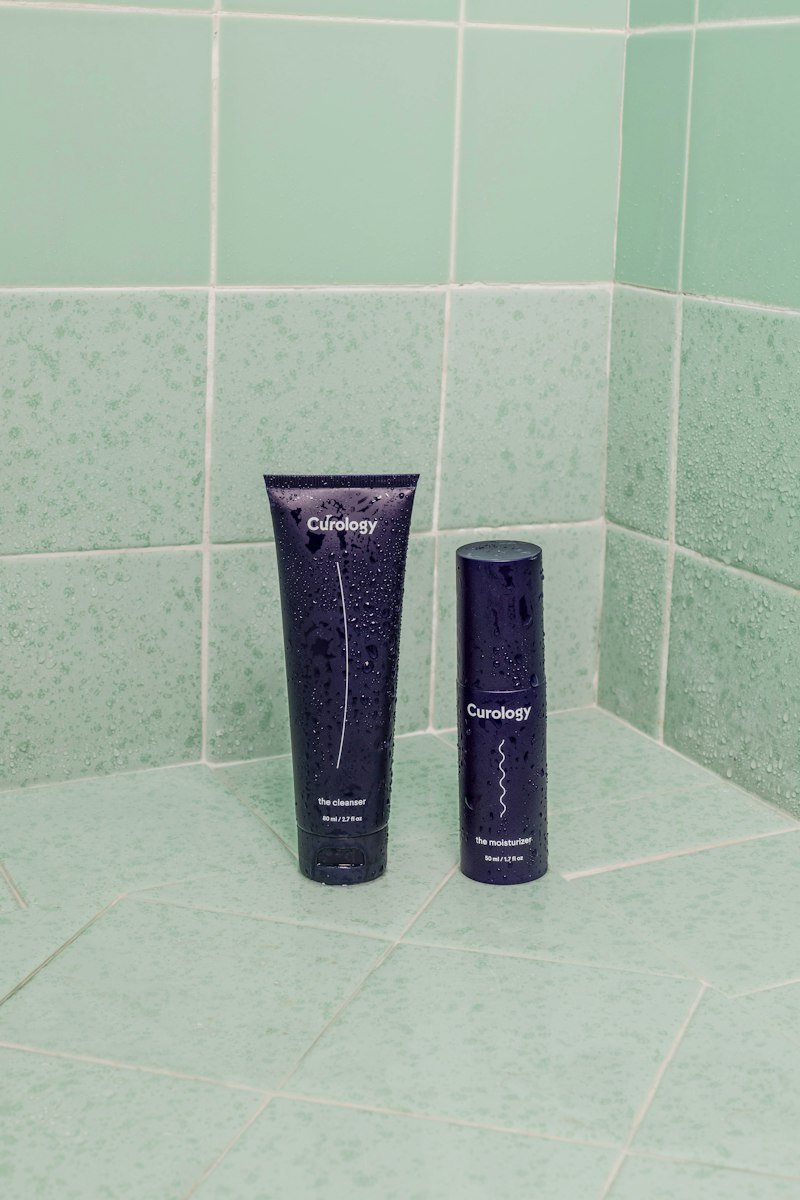
Panthenol moisturizer has quietly become one of the most recommended skincare ingredients by dermatologists in 2026, earning praise from skin experts and beauty editors alike for its remarkable ability to hydrate, heal, and protect damaged or sensitive skin without the irritation associated with more aggressive active ingredients — making it the go-to choice for Americans dealing with dry winter skin, eczema flare-ups, post-procedure recovery, and the everyday irritation that comes from overusing retinoids, acids, and other trendy actives. Also known as provitamin B5 or dexpanthenol, this vitamin B derivative has been used in European pharmacies and hospitals for decades as a wound-healing and skin-repair ingredient, but its recent surge in popularity among American consumers is driven by the growing "skin barrier repair" movement, which emphasizes gentle, science-backed ingredients that strengthen the skin's protective barrier rather than stripping it. If you have been battling dry, irritated, or sensitized skin and are looking for a moisturizer that actually repairs rather than just temporarily relieves, panthenol may be the ingredient you have been missing.
What Is Panthenol and How Does It Work?
Panthenol is the provitamin (precursor) of pantothenic acid, also known as vitamin B5. When applied topically, panthenol is converted by enzymes in the skin into pantothenic acid, which is a critical component of coenzyme A (CoA) — a molecule essential for fatty acid synthesis, energy metabolism, and cellular repair. This biochemical pathway is why panthenol is so effective at promoting skin healing and barrier restoration: it provides the raw materials your skin needs to rebuild and maintain its protective outer layer.
Panthenol works through three primary mechanisms. First, it is a humectant, meaning it attracts and binds water from the environment and from deeper layers of the skin, increasing hydration in the stratum corneum (the outermost layer of skin). Studies show that panthenol can increase skin hydration by up to 27% within 1 hour of application and maintain elevated hydration levels for up to 72 hours. Second, panthenol promotes epidermal cell regeneration by stimulating fibroblast proliferation and accelerating the turnover of keratinocytes, the primary cell type in the outer skin layer. Third, panthenol has anti-inflammatory properties that reduce redness, itching, and irritation, making it particularly beneficial for conditions like eczema, dermatitis, and post-procedure sensitivity.
Research published in the Journal of the European Academy of Dermatology and Venereology found that dexpanthenol (the most studied form of panthenol) significantly improved skin barrier function, reduced transepidermal water loss (TEWL), and accelerated wound healing in patients with impaired skin barriers. The ingredient is so well-tolerated that it is used in neonatal care products, eye drops, and post-surgical wound care formulations.
Benefits of Panthenol for Different Skin Types
Panthenol is one of the rare skincare ingredients that benefits virtually every skin type and concern. Here is how it addresses specific needs:
Dry and Dehydrated Skin: Panthenol's humectant properties draw moisture into the skin and lock it there, providing deep, long-lasting hydration that goes beyond surface-level relief. Unlike hyaluronic acid, which can sometimes draw moisture out of the skin in very dry environments, panthenol is effective across a wide range of humidity levels.
Eczema and Dermatitis: The anti-inflammatory and barrier-repair properties of panthenol make it an excellent choice for eczema-prone skin. A 2024 study in the Journal of Dermatological Treatment found that a dexpanthenol-based moisturizer reduced eczema severity scores by 41% over four weeks, comparable to low-potency topical corticosteroids but without the side effects of long-term steroid use.
Acne-Prone Skin: While panthenol does not treat acne directly, it supports the healing of acne lesions and reduces the irritation caused by acne treatments like benzoyl peroxide, salicylic acid, and retinoids. Its non-comedogenic formula means it will not clog pores.
Post-Procedure Skin: Dermatologists frequently recommend panthenol-based moisturizers after chemical peels, laser treatments, microneedling, and other procedures that compromise the skin barrier. Panthenol accelerates re-epithelialization (the formation of new skin cells) and reduces the risk of infection during the healing process.
Mature and Aging Skin: By supporting collagen synthesis and improving skin elasticity, panthenol helps maintain the structural integrity of aging skin. It also reduces the appearance of fine lines caused by dehydration, which is one of the most common contributing factors to premature aging.
Best Panthenol Moisturizers in 2026
The market for panthenol-based moisturizers has expanded significantly, with options ranging from pharmacy staples to luxury formulations. Here are the top products:
- La Roche-Posay Cicaplast Baume B5 ($16 for 40ml): The gold standard panthenol moisturizer recommended by dermatologists worldwide. Contains 5% dexpanthenol, madecassoside (from centella asiatica), and shea butter. Intensely soothing and repairing. Available at Target, Amazon, and dermatology offices.
- Avene Cicalfate+ Cream ($38 for 133ml): Premium option with 1% dexpanthenol combined with copper-zinc complex and Avene thermal spring water. Ideal for post-procedure and very sensitive skin. Available at Dermstore and French pharmacy retailers.
- Eucerin Original Healing Cream ($12 for 16oz): Budget-friendly classic with panthenol and glycerin. Fragrance-free, non-comedogenic, and suitable for face and body. Over 30,000 Amazon reviews averaging 4.6 stars.
- CeraVe Moisturizing Cream ($17 for 16oz): Contains panthenol alongside ceramides, hyaluronic acid, and MVE technology for sustained hydration. The most widely recommended moisturizer by US dermatologists. Available at every major retailer.
- Bioderma Cicabio Crème ($24 for 40ml): Combines panthenol with antalgicine (a proprietary anti-itch ingredient) for intensive soothing of irritated, damaged skin. Excellent for post-laser and post-peel recovery.
How to Use Panthenol Moisturizer Correctly
Using panthenol moisturizer effectively requires understanding when and how to apply it for maximum benefit. Here is a guide for incorporating it into your routine:
As a Daily Moisturizer: Apply a thin layer to clean, slightly damp skin morning and evening. The damp skin helps panthenol absorb more efficiently and lock in additional moisture. Follow with sunscreen in the morning.
As a Barrier Repair Treatment: If your skin is compromised from over-exfoliation, retinoid irritation, or environmental damage, apply a thicker layer of panthenol moisturizer as the final step in your evening routine (a technique called "slugging" when combined with an occlusive like petroleum jelly). This creates a protective seal that allows the panthenol to work overnight while preventing further moisture loss.
For Eczema Flare-Ups: Apply panthenol moisturizer 3 to 4 times daily to affected areas. The frequent reapplication maintains a constant level of dexpanthenol in the skin, which accelerates barrier repair and reduces itching. For severe flares, panthenol can be used alongside prescribed topical corticosteroids — apply the steroid first, wait 15 minutes, then apply the panthenol moisturizer on top.
Post-Procedure Care: After microneedling, chemical peels, or laser treatments, apply panthenol moisturizer immediately after the procedure and continue applying 3 to 4 times daily for 5 to 7 days. This is one of the most evidence-based post-procedure care recommendations in dermatology.
Layering with Other Products: Panthenol layers well under virtually any skincare product. Apply it before heavier creams and oils, and after water-based serums. It does not interfere with the efficacy of active ingredients like retinol, vitamin C, or niacinamide.
Panthenol vs. Other Hydrating Ingredients
Here is how panthenol compares to other popular moisturizing ingredients:
- Hyaluronic Acid: Excellent humectant but can potentially draw moisture out of skin in very dry environments. Panthenol is more reliable across different climates. They work beautifully together.
- Ceramides: Essential for barrier repair but work differently — ceramides fill in the "gaps" between skin cells, while panthenol stimulates the production of new ceramides and lipids. Combined, they provide comprehensive barrier support.
- Glycerin: A potent humectant similar to panthenol in hydration capability, but without the anti-inflammatory and wound-healing properties that make panthenol particularly valuable for damaged or sensitive skin.
- Squalane: An emollient that softens and smooths the skin surface but does not provide the deep hydration or cellular repair benefits of panthenol.
For most people, the ideal moisturizer combines multiple ingredients — panthenol for hydration and repair, ceramides for barrier support, and hyaluronic acid for surface-level moisture retention.
Why This Matters in 2026
Panthenol's rise in popularity reflects the broader "skin barrier health" movement that has fundamentally changed how Americans approach skincare. In 2026, consumers are increasingly aware that a healthy skin barrier is the foundation of all good skin, and they are prioritizing gentle, repair-focused ingredients over aggressive actives that strip and damage the barrier. The skin barrier repair market is projected to reach $4.3 billion globally by 2028, and panthenol is one of its star ingredients. As dermatologists continue to emphasize barrier health and as consumers become more educated about ingredient science, panthenol is positioned to become a permanent fixture in American skincare routines alongside ceramides, niacinamide, and centella asiatica.
Safety and Precautions
Panthenol is one of the safest skincare ingredients available, with an excellent tolerability profile across all skin types, ages, and conditions. It is non-irritating, non-sensitizing, and has no known drug interactions. Allergic reactions to panthenol are extremely rare but can occur in individuals with a known sensitivity to vitamin B5 or pantothenic acid. If you experience persistent redness, swelling, or itching after applying a panthenol product, discontinue use and consult your dermatologist — the reaction is more likely caused by another ingredient in the formulation rather than the panthenol itself. Always patch test new products on the inner forearm before applying to the face, and check ingredient labels if you have known allergies to specific preservatives, fragrances, or botanical extracts.
FAQ
Can I use panthenol moisturizer every day?
Yes, panthenol is safe and beneficial for daily use. Unlike some active ingredients that require periodic breaks, panthenol can be used indefinitely without diminishing returns. Consistent daily use actually provides cumulative benefits as your skin's barrier function gradually strengthens over time.
Is panthenol the same as vitamin B5?
Panthenol is the provitamin (precursor) of vitamin B5 (pantothenic acid). When applied to the skin, enzymes convert panthenol into active vitamin B5. This conversion process is why panthenol is preferred in skincare — it is more stable, more penetrative, and more effective topically than applying vitamin B5 directly.
Can panthenol be used on babies and children?
Yes, panthenol is gentle enough for use on babies and young children. It is commonly found in diaper rash creams, baby lotions, and pediatric wound care products. The ingredient is so well-tolerated that it is used in neonatal intensive care units for skin protection. Always use fragrance-free formulations on children.
Disclaimer: This article is for informational purposes only and does not constitute medical advice. Consult a board-certified dermatologist for personalized skincare recommendations.