Top 10 Most Expensive Stadiums in the US
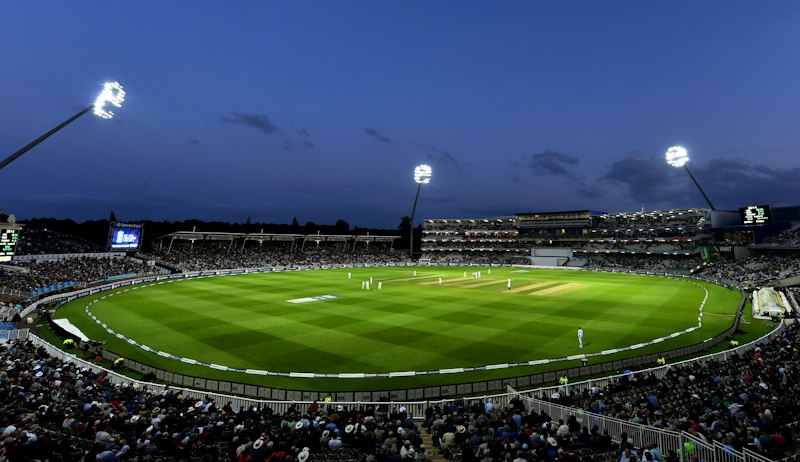
Professional sports stadiums have become billion-dollar monuments to franchise value and civic pride. From the gleaming cathedrals of the NFL to state-of-the-art multi-purpose venues, here are the ten most expensive stadiums ever built in the United States.
The Stadium Arms Race
The cost of building professional sports stadiums has skyrocketed over the past two decades. What once cost a few hundred million dollars now regularly exceeds $1 billion, with the most expensive venues approaching or surpassing $5 billion. This escalation reflects not just inflation but the increasingly complex amenities that modern fans demand.
Teams and cities are willing to invest enormous sums because stadiums serve as economic engines that generate billions in revenue through ticket sales, luxury suites, naming rights, and surrounding development. The return on investment for a well-designed stadium can be transformative for both the franchise and the surrounding community.
| Rank | Stadium | Team | Cost (Billions) | Year Opened | Capacity |
|---|---|---|---|---|---|
| 1 | SoFi Stadium | Rams/Chargers | $5.5 | 2020 | 70,240 |
| 2 | Allegiant Stadium | Raiders | $1.9 | 2020 | 65,000 |
| 3 | MetLife Stadium | Giants/Jets | $1.6 | 2010 | 82,500 |
| 4 | Yankee Stadium | Yankees | $1.5 | 2009 | 46,537 |
| 5 | Levi's Stadium | 49ers | $1.3 | 2014 | 68,500 |
| 6 | AT&T Stadium | Cowboys | $1.3 | 2009 | 80,000 |
| 7 | Mercedes-Benz Stadium | Falcons | $1.1 | 2017 | 71,000 |
| 8 | US Bank Stadium | Vikings | $1.1 | 2016 | 66,655 |
| 9 | Sofi Stadium (Phase 2) | Rams | $1.0 | 2023 | 70,240 |
| 10 | Bills New Stadium | Bills | $1.7 | 2026 | 62,000 |
SoFi Stadium: The Crown Jewel
SoFi Stadium in Inglewood, California stands alone at the top of the list with a construction cost exceeding $5.5 billion. The venue, which serves as the home of the Los Angeles Rams and Los Angeles Chargers, represents the most ambitious stadium project in American history.
The stadium's signature feature is its massive translucent roof, which allows natural light to filter through while protecting fans from the elements. The venue also includes a 360-degree video board that wraps around the interior, providing every seat with an unobstructed view of the action.
SoFi Stadium is more than just a football venue. The surrounding development includes a 6,000-seat performance venue, retail space, restaurants, and a 300-room hotel. This mixed-use approach maximizes the economic impact of the stadium and ensures year-round activity.
Allegiant Stadium: Las Vegas Gets Its Team
The Raiders' move from Oakland to Las Vegas in 2020 was accompanied by the construction of Allegiant Stadium, a $1.9 billion venue that transformed the Las Vegas skyline. The stadium's retractable roof and natural grass field " — a rarity in indoor stadiums " — set it apart from its contemporaries.
Allegiant Stadium's location on the Las Vegas Strip ensures that it serves as both a sports venue and a tourist destination. The stadium hosts major events including the NFL Draft, Pro Bowl, and international soccer matches, making it one of the most versatile venues in the country.
MetLife Stadium: The Shared Giant
MetLife Stadium in East Rutherford, New Jersey is unique among NFL venues as the only stadium shared by two teams " — the New York Giants and New York Jets. The $1.6 billion venue opened in 2010 and remains one of the largest stadiums in the NFL with a capacity of 82,500.
The stadium's neutral design allows both teams to brand the venue according to their preferences, with different color schemes and logos displayed depending on which team is hosting. This flexibility has made the shared arrangement workable for both franchises despite the logistical challenges.
The Economics of Stadium Construction
Building a modern stadium requires more than just the initial construction cost. Ongoing maintenance, debt service, and operational expenses add billions more over the life of the venue. Understanding these economics is essential for evaluating whether a stadium project represents good value for taxpayers and communities.
| Expense Category | Typical Cost | Annual Increase |
|---|---|---|
| Construction | $1-5 billion | N/A |
| Annual Maintenance | $20-50 million | 3-5% |
| Debt Service | $50-100 million | Variable |
| Operations | $30-60 million | 2-4% |
| Renovations | $100-300 million | Every 10-15 years |
| Total 30-Year Cost | $3-8 billion | Inflation adjusted |
Public vs. Private Financing
The debate over public funding for sports stadiums is one of the most contentious issues in sports economics. Proponents argue that stadiums generate economic benefits that justify public investment, while critics contend that the money would be better spent on education, infrastructure, or other public services.
Recent trends show a shift toward private financing, with teams increasingly willing to fund construction costs themselves in exchange for greater control over revenue streams. The success of privately financed projects like SoFi Stadium has encouraged other owners to follow this model.
The Fan Experience Revolution
Modern stadiums are designed with the fan experience as the top priority. High-definition video boards, premium seating options, gourmet food and beverage selections, and advanced connectivity infrastructure have transformed the game day experience.
The most expensive stadiums feature amenities that would have been unimaginable just a generation ago. SoFi Stadium's 70,000-square-foot video board, for example, provides every fan with a clear view of the action regardless of their seat location. These innovations justify the premium ticket prices that help pay for these venues.
Upcoming Stadium Projects
The stadium arms race shows no signs of slowing down. Several teams are currently planning or building new venues that will push the boundaries of cost and innovation even further.
- Bills New Stadium: $1.7 billion venue scheduled to open in 2026
- Bears Potential Move: $2 billion proposal for a lakefront stadium in Chicago
- Jaguars Development: $1.4 billion renovation of EverBank Stadium
- Titans New Stadium: $2.1 billion domed stadium in downtown Nashville
- Commanders Decision: $3 billion proposal for a new venue in Virginia
The Future of Stadium Design
Stadium design continues to evolve as technology advances and fan expectations change. Sustainability features, such as solar panels and water recycling systems, are becoming standard in new construction. Artificial intelligence and data analytics are being used to optimize everything from concession operations to security procedures.
The next generation of stadiums will likely incorporate even more advanced features, including augmented reality experiences, personalized seating configurations, and integrated transportation solutions. These innovations will drive costs even higher but will also create new revenue opportunities for teams and franchises.