Jensen Huang NVIDIA: Building AI Careers and the Future of Tech
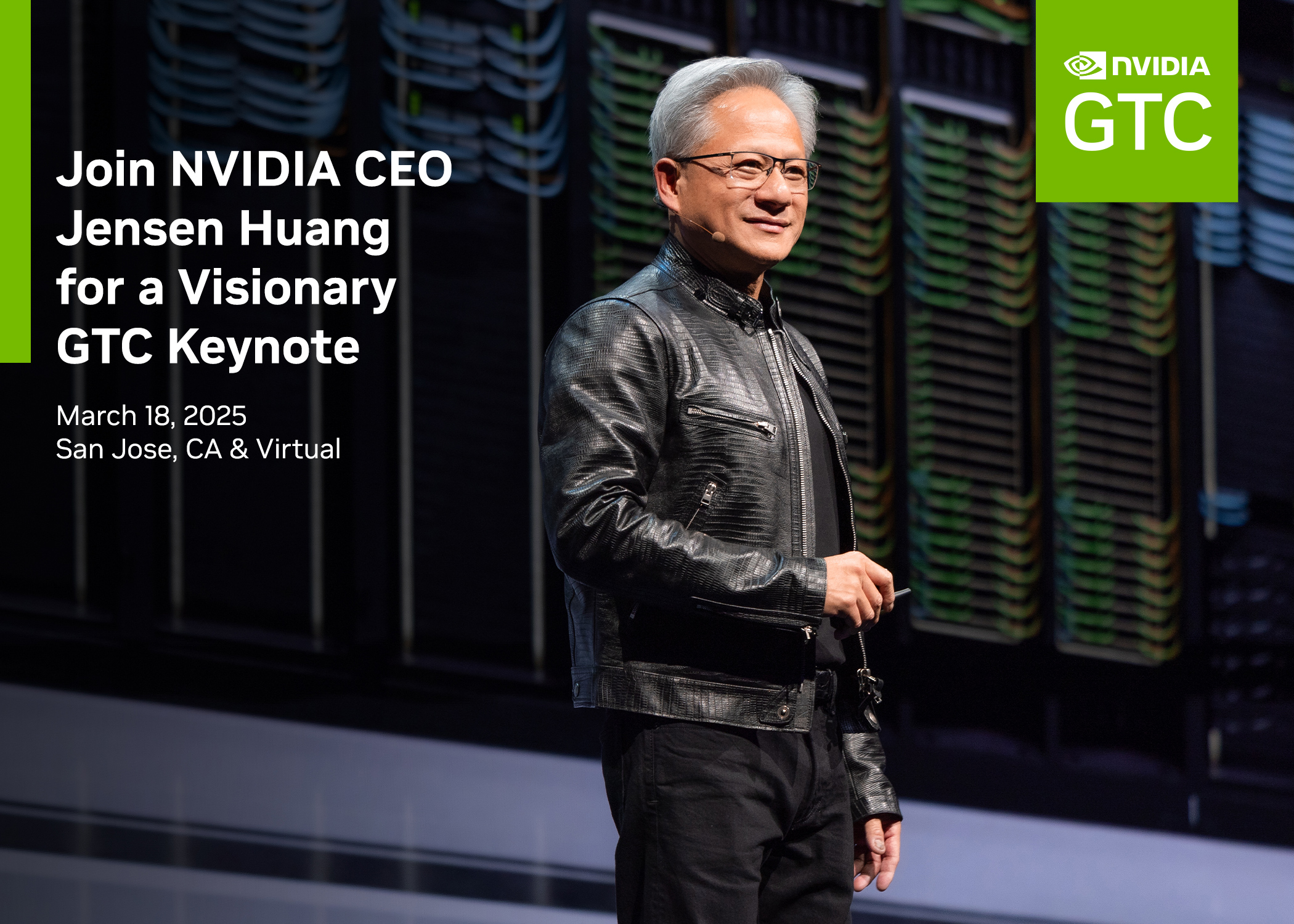
Jensen Huang, the co-founder and CEO of NVIDIA, has become one of the most influential figures in the technology industry. Under his leadership, NVIDIA has transformed from a graphics card company into the engine powering the artificial intelligence revolution. But beyond the chips and stock prices, Huang's vision is creating entirely new career paths and industries that did not exist a decade ago. Here is how Jensen Huang and NVIDIA are shaping the future of work and what it means for American job seekers.
Who is Jensen Huang?
Jensen Huang was born in Tainan, Taiwan, in 1963 and moved to the United States as a child. He studied electrical engineering at Oregon State University and Stanford University, earning a bachelor's degree and master's degree respectively. In 1993, he co-founded NVIDIA with Chris Malachowsky and Curtis Priem, with the goal of creating graphics processing units (GPUs) that could revolutionize video games and visual computing.
For years, NVIDIA was primarily known in the gaming community. But Huang had a bigger vision. He recognized early on that the parallel processing power of GPUs could be applied to problems far beyond gaming. In 2006, NVIDIA launched CUDA, a programming platform that allowed researchers and developers to use GPUs for general-purpose computing. This decision laid the groundwork for the AI revolution that would follow.
When deep learning researchers discovered that GPUs were ideal for training neural networks, NVIDIA was perfectly positioned to become the dominant force in AI computing. Today, NVIDIA's chips power everything from ChatGPT to self-driving cars to medical research, and the company's market capitalization has exceeded $3 trillion.
NVIDIA's Impact on Job Creation
The rise of AI has created a massive demand for infrastructure, and NVIDIA is at the center of this expansion. The company directly employs over 32,000 people worldwide, with major campuses in Santa Clara, California; Austin, Texas; and Research Triangle Park, North Carolina. But the job creation extends far beyond NVIDIA's direct workforce.
Data Center Construction
AI requires enormous computing power, which means building massive data centers. These facilities need everything from electrical infrastructure to cooling systems to networking equipment. The construction of AI data centers has created tens of thousands of jobs for electricians, HVAC technicians, network engineers, and construction workers.
NVIDIA has announced plans for new data center campuses across the United States, with major investments in Texas, Ohio, and other states. Each data center project creates hundreds of construction jobs and dozens of permanent operations positions. For workers in the construction trades, the AI boom represents a significant new source of employment.
AI Software and Engineering Jobs
NVIDIA's GPU technology has spawned an entire industry of AI software development. Companies across every sector are hiring machine learning engineers, data scientists, AI researchers, and software developers to build AI-powered products and services. The Bureau of Labor Statistics projects that data science and AI-related jobs will grow by 35 percent through 2032, far faster than the average for all occupations.
Salaries in AI are among the highest in the technology industry. Entry-level machine learning engineers earn approximately $110,000 to $130,000 per year, while experienced AI researchers can earn $200,000 to $500,000 or more. NVIDIA itself is known for competitive compensation packages that include stock options and bonuses.
Indirect Job Creation
The AI industry has created numerous indirect jobs in areas such as AI ethics, data labeling, AI training data curation, and AI policy. Companies need people who can ensure that AI systems are fair, unbiased, and compliant with regulations. They also need people who can create the training data that AI models require, a growing field known as data annotation.
Career Opportunities in the AI Era
The AI revolution is creating career opportunities at every skill level. Here are some of the most promising career paths in the AI era:
Technical Roles
- Machine Learning Engineer: Build and deploy AI models. Requires programming skills and understanding of machine learning algorithms. Median salary: $130,000.
- Data Scientist: Analyze large datasets to extract insights. Requires statistical knowledge and programming skills. Median salary: $120,000.
- AI Research Scientist: Develop new AI techniques and algorithms. Usually requires a PhD. Median salary: $150,000.
- GPU Hardware Engineer: Design the chips that power AI. Requires electrical engineering skills. Median salary: $140,000.
Construction and Operations Roles
- Data Center Electrician: Install and maintain electrical systems in data centers. Requires electrical license. Median salary: $75,000.
- HVAC Technician: Install and maintain cooling systems for data centers. Requires HVAC certification. Median salary: $55,000.
- Data Center Technician: Maintain server hardware and networking equipment. Median salary: $65,000.
- Network Engineer: Design and maintain data center networking infrastructure. Median salary: $90,000.
Non-Technical Roles
- AI Ethics Specialist: Ensure AI systems are fair and unbiased. Median salary: $110,000.
- AI Product Manager: Lead the development of AI-powered products. Median salary: $130,000.
- AI Sales Specialist: Sell AI solutions to businesses. Median salary: $100,000 plus commission.
- Technical Writer: Document AI systems and processes. Median salary: $80,000.
How to Get Started in AI
You do not need a PhD to build a career in the AI industry. Here are practical steps to get started:
Learn the Fundamentals
Start with online courses in programming (Python is the most important language for AI), statistics, and machine learning. Platforms like Coursera, edX, and Udacity offer affordable courses from top universities. Many of these courses are free or cost less than $100.
Build a Portfolio
Create projects that demonstrate your skills. Build a simple machine learning model, participate in Kaggle competitions, or contribute to open-source AI projects. A strong portfolio can be more valuable than a degree for many positions.
Get Certified
NVIDIA offers free training and certification programs through its NVIDIA Deep Learning Institute. These certifications demonstrate that you have practical skills with NVIDIA's AI tools and platforms. AWS, Google Cloud, and Microsoft also offer AI and machine learning certifications.
Network and Apply
Join AI meetups, attend conferences, and connect with professionals in the field on LinkedIn. Many AI jobs are filled through referrals and networking rather than job boards. Do not be afraid to apply for positions that you feel underqualified for, as the AI industry is growing faster than the talent pool.
Jensen Huang's Vision for the Future
Jensen Huang has spoken frequently about his vision for the future of AI and its impact on society. He believes that AI will be the most transformative technology since the internet, creating new industries, new jobs, and new opportunities for human creativity.
Huang has emphasized that AI will not replace humans but will augment human capabilities. In his vision, AI will handle routine tasks, freeing people to focus on creative and strategic work. He has also called for greater investment in education and training to prepare workers for the AI era.
At NVIDIA's annual GPU Technology Conference (GTC), Huang regularly unveils new products and technologies that push the boundaries of what is possible with AI. His presentations are watched by millions of developers, researchers, and business leaders who are eager to understand where the technology is heading.
The Economic Impact of NVIDIA and AI
NVIDIA's success has had a profound economic impact beyond the technology industry. The company's market capitalization makes it one of the most valuable companies in the world, and its stock performance has created significant wealth for shareholders and employees.
More importantly, the AI industry that NVIDIA has helped create is generating enormous economic value. A McKinsey Global Institute study estimates that AI could contribute $13 trillion to the global economy by 2030. In the United States alone, AI is expected to add $3.7 trillion to GDP through productivity gains, new products and services, and consumer demand.
For American workers and businesses, this represents an enormous opportunity. Companies that embrace AI are likely to be more productive, competitive, and profitable, creating a virtuous cycle of economic growth and job creation.
Frequently Asked Questions
Who is Jensen Huang?
Jensen Huang is the co-founder and CEO of NVIDIA Corporation, the world's leading semiconductor company specializing in GPU technology. Born in Taiwan and raised in the United States, Huang has led NVIDIA from a small graphics card company to a trillion-dollar powerhouse driving the AI revolution.
How many jobs has NVIDIA created?
NVIDIA directly employs over 32,000 people worldwide and has created hundreds of thousands of additional jobs through its ecosystem of partners, suppliers, and the AI industry it has enabled. The construction of NVIDIA-powered data centers has created tens of thousands of construction and engineering jobs.
What careers are available in the AI industry?
The AI industry offers careers in machine learning engineering, data science, AI research, data center construction, hardware engineering, software development, AI ethics, and product management. Entry-level positions in data center operations and technical support are also available for those without advanced degrees.
How can I get a job at NVIDIA?
NVIDIA hires for a wide range of positions across engineering, operations, sales, and corporate functions. Visit nvidia.com/careers to browse open positions. NVIDIA values skills and experience over formal education for many roles, and the company offers internship programs for students.