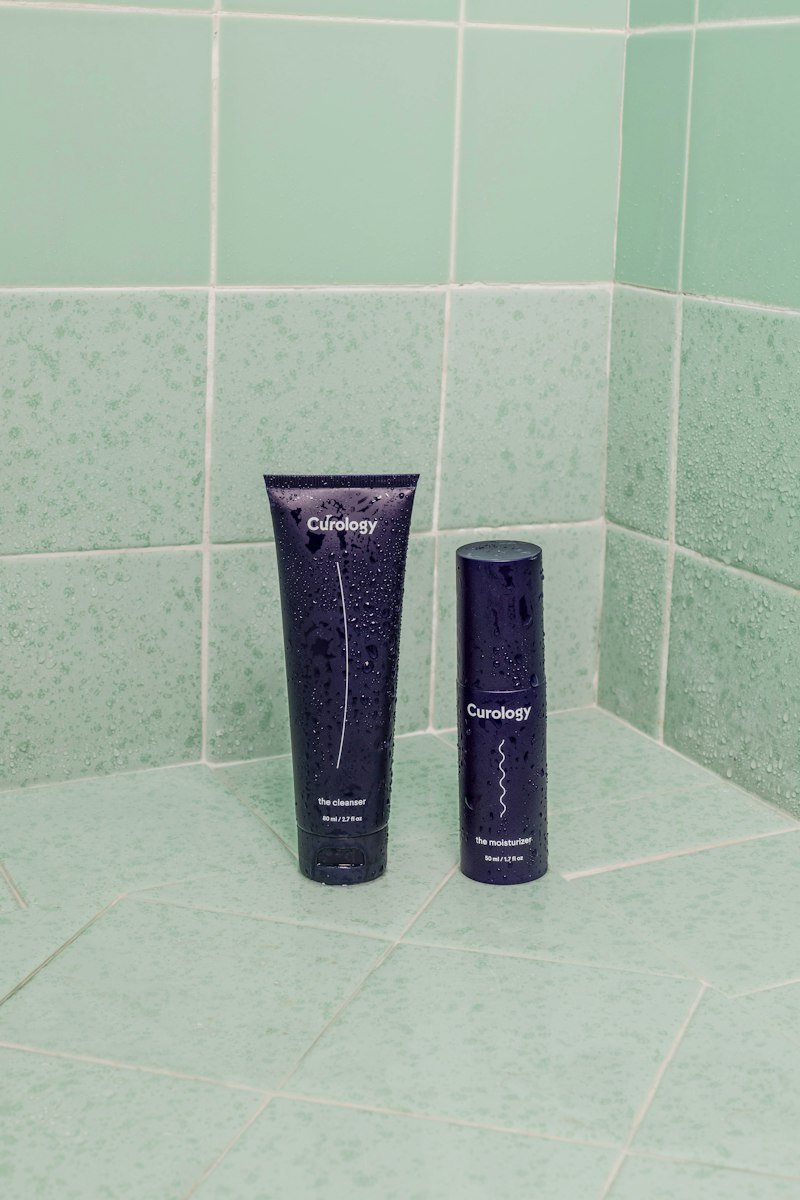
Hypochlorous acid spray has exploded on TikTok and Instagram in 2026, racking up hundreds of millions of views as users praise it as a miracle skincare solution that clears acne, soothes eczema, and even speeds wound healing — all without the harsh side effects of traditional treatments. Dermatologists are paying attention too, with a growing body of clinical evidence supporting what beauty influencers have been claiming for months. If you have been seeing blue and white bottles all over your feed and wondering whether the hype is real, here is everything you need to know about hypochlorous acid spray, how it works, which products are worth buying, and how to use it safely for clearer, calmer skin.
What Is Hypochlorous Acid and Why Is It Everywhere?
Hypochlorous acid, abbreviated as HOCl, is a naturally occurring molecule produced by your white blood cells as part of your immune response. When bacteria, viruses, or irritants enter your body, neutrophils release HOCl to destroy them. It is essentially your body's built-in disinfectant. Scientists and dermatologists have harnessed this compound into topical sprays and cleansers that mimic your body's own defense mechanism, making it incredibly effective yet gentle enough for daily use on sensitive skin.
The reason hypochlorous acid is trending in 2026 comes down to a confluence of factors. First, the post-pandemic emphasis on hygiene and immune health made consumers more aware of antimicrobial skincare. Second, dermatologists on social media began recommending HOCl as a safe alternative to harsh chemical peels and benzoyl peroxide treatments. Third, brands like Tower 28, Briotech, and Genius Central brought hypochlorous acid sprays to mainstream retail at accessible price points ranging from $12 to $28, making the ingredient available to everyday consumers rather than just clinical patients.
According to Google Trends data, searches for "hypochlorous acid spray" surged by over 400% between January and June 2026, with the highest interest coming from users aged 18 to 34 in California, New York, Texas, and Florida. The hashtag #HypochlorousAcid has accumulated more than 320 million views on TikTok, making it one of the fastest-growing skincare trends of the year.
How Hypochlorous Acid Works on Your Skin
When you spray hypochlorous acid on your skin, it works through a process called oxidative stress on harmful microorganisms. HOCl penetrates bacterial cell walls and disrupts their metabolic processes, effectively killing acne-causing bacteria like Cutibacterium acnes without damaging your skin's healthy cells. Unlike benzoyl peroxide, which kills bacteria indiscriminately and often causes dryness, redness, and peeling, hypochlorous acid is selective — it targets pathogens while leaving your skin barrier intact.
Beyond its antibacterial properties, HOCl also acts as a potent anti-inflammatory agent. Research published in the Journal of Wound Care in 2024 demonstrated that hypochlorous acid reduces inflammatory cytokines in the skin, which means it can calm redness, swelling, and irritation associated with conditions like rosacea, eczema, and psoriasis. A separate study in the Journal of Clinical and Aesthetic Dermatology found that patients using HOCl-based cleansers experienced a 67% reduction in acne lesions after eight weeks of consistent use, compared to a 45% reduction in the control group using standard benzoyl peroxide.
Hypochlorous acid also promotes wound healing by stimulating collagen production and enhancing the skin's natural repair processes. This is why many dermatologists recommend it as a post-procedure treatment after microneedling, chemical peels, or laser treatments. The compound helps reduce recovery time while preventing infection during the critical healing window when your skin barrier is compromised.
Top Hypochlorous Acid Products to Try in 2026
The market for hypochlorous acid products has grown rapidly, with dozens of brands entering the space. Here are the most highly recommended options based on dermatologist reviews, clinical testing, and consumer feedback:
- Tower 28 SOS Daily Rescue Facial Spray ($28): The product that started the trend. Contains 0.02% HOCl in a pH-balanced formula. Dermatologist Dr. Shereene Idriss calls it "the gold standard for sensitive skin." Best for daily maintenance and mild acne. Available at Sephora, Ulta, and Target.
- Briotech Topical Skin Spray ($18): Medical-grade hypochlorous acid with 0.02% concentration. Originally developed for wound care, now popular among skincare enthusiasts. Hypoallergenic and fragrance-free. Available on Amazon with over 15,000 five-star reviews.
- Genius Central Hypochlorous Acid Spray ($15): Budget-friendly option with 0.015% HOCl. Great for beginners. Contains additional electrolytes for enhanced skin hydration. Available at Walmart and online retailers.
- Force of Nature Hypochlorous Acid Cleaner ($30 for starter kit): Uses electrolyzed water technology to generate HOCl at home. More of a household cleaner but the brand also offers a facial mist version. EPA-registered and hospital-grade.
- Puriya Hypochlorous Acid Body Spray ($22): Designed for body acne and fungal folliculitis. Larger 8 oz bottle makes it practical for full-body use. Contains 0.02% HOCl with a fine mist applicator.
How to Use Hypochlorous Acid Spray in Your Routine
Using hypochlorous acid spray is straightforward, but there are specific steps to maximize its effectiveness. Here is a step-by-step guide for incorporating it into your daily skincare routine:
Morning Routine: After cleansing your face with a gentle cleanser, hold the bottle 6 to 8 inches from your face and mist 2 to 3 sprays evenly across your skin. Allow it to air dry for 60 seconds — do not rinse it off. Follow with your regular moisturizer and sunscreen. The HOCl will continue working throughout the day as a protective antimicrobial layer.
Evening Routine: After removing makeup and cleansing, apply the spray the same way. For acne-prone areas, you can apply a slightly heavier application by holding the bottle closer and spritzing directly onto problem spots. Allow to dry before applying any treatment serums or retinol products.
Post-Workout: One of the most popular uses for hypochlorous acid spray is as a post-gym skin refresher. Sweat and bacteria accumulate quickly during exercise, and a quick mist helps prevent breakouts before they start. Keep a travel-size bottle in your gym bag for convenience.
Post-Procedure: If you have undergone microneedling, chemical peels, or laser treatments, your dermatologist may recommend hypochlorous acid as a healing aid. Apply 4 to 5 times daily during the first week post-procedure to prevent infection and accelerate recovery. Always follow your provider's specific instructions.
Before and After: What to Expect
Results with hypochlorous acid vary depending on your skin type and the severity of your concerns, but here is a general timeline of what to expect. During the first week, you will likely notice a reduction in active breakouts and less redness around irritated areas. By week two to three, your skin texture should appear smoother, and existing blemishes will heal faster than usual. After four to six weeks of consistent use, most users report significantly clearer skin, fewer new breakouts, and an overall calmer complexion. For conditions like eczema and rosacea, improvements may take longer — typically six to eight weeks — but the anti-inflammatory benefits provide relief from itching and discomfort much sooner.
Pros and Cons of Hypochlorous Acid Spray
Pros:
- Gentle enough for all skin types, including sensitive, acne-prone, and rosacea-affected skin
- Antibacterial, antifungal, and anti-inflammatory properties in one product
- No known drug interactions, making it safe alongside retinoids, AHAs, BHAs, and vitamin C
- Does not cause dryness, peeling, or sun sensitivity like many acne treatments
- Safe for long-term daily use without building bacterial resistance
- Affordable — most products range from $15 to $28
Cons:
- Results are gradual and require consistent daily use to see significant improvement
- Cannot replace prescription-strength treatments for severe or cystic acne
- Some products have a slight chlorine-like smell that some users find off-putting
- Concentration varies between brands, making it hard to compare effectiveness
- Not FDA-approved as an acne treatment, though individual products may have FDA clearance for wound care
Why This Matters in 2026
Hypochlorous acid spray represents a broader shift in the skincare industry toward science-backed, minimalist formulations that work with your body's natural biology rather than against it. In 2026, consumers are increasingly rejecting aggressive 10-step routines in favor of multi-functional products that deliver real results without irritation. HOCl fits perfectly into this philosophy — it is one ingredient that addresses acne, inflammation, infection, and healing simultaneously. As more clinical studies validate its effectiveness and more brands enter the market with competitive pricing, hypochlorous acid is poised to become a permanent staple in American skincare cabinets rather than just a passing TikTok trend.
Safety Warnings and Precautions
While hypochlorous acid is generally considered safe for topical use, there are important precautions to keep in mind. Always use products specifically formulated for skincare — never use household bleach or pool-grade hypochlorous acid on your skin, as these contain dangerous concentrations and additives. If you have a known allergy to chlorine or sodium hypochlorite, consult your dermatologist before use. Discontinue use immediately if you experience persistent redness, burning, or irritation. Pregnant and breastfeeding women should consult their healthcare provider before adding any new skincare product to their routine. Store hypochlorous acid sprays in a cool, dark place, as the compound degrades when exposed to direct sunlight or heat. Most products have a shelf life of 6 to 12 months after opening.
FAQ
Can I use hypochlorous acid spray with retinol?
Yes, hypochlorous acid is safe to use alongside retinol and other active ingredients. In fact, many dermatologists recommend applying HOCl before retinol to reduce irritation and inflammation associated with retinoid use. Apply the spray first, allow it to dry for 60 seconds, then apply your retinol product as usual.
How often should I apply hypochlorous acid spray?
For general skincare maintenance, two to three times daily is optimal — once in the morning, once in the evening, and optionally after workouts. For active breakouts or post-procedure care, you can increase to four to five applications per day. Hypochlorous acid does not cause irritation with frequent use, but more is not always better. Two to three consistent applications daily will yield the best long-term results.
Is hypochlorous acid the same as bleach?
No. While hypochlorous acid and sodium hypochlorite (bleach) both contain chlorine, they are fundamentally different compounds. HOCl is a weak acid with a neutral pH that is safe for skin contact, while bleach is a strong alkaline solution that can cause chemical burns. The concentration of HOCl in skincare products (typically 0.01% to 0.02%) is vastly lower than in cleaning products. Never substitute household bleach for a skincare-grade hypochlorous acid product.
Where can I buy hypochlorous acid spray?
Hypochlorous acid sprays are widely available at major retailers including Sephora, Ulta, Target, Walmart, and Amazon. Most dermatologist-recommended brands can be purchased online through their official websites. Prices typically range from $12 to $30 depending on the brand and bottle size. Look for products that specify "skincare-grade" or "medical-grade" hypochlorous acid with a concentration between 0.01% and 0.02%.
Disclaimer: This article is for informational purposes only and does not constitute medical advice. Consult a board-certified dermatologist for personalized skincare recommendations.