Best Electric SUVs in 2026: Tesla vs Rivian vs Ford
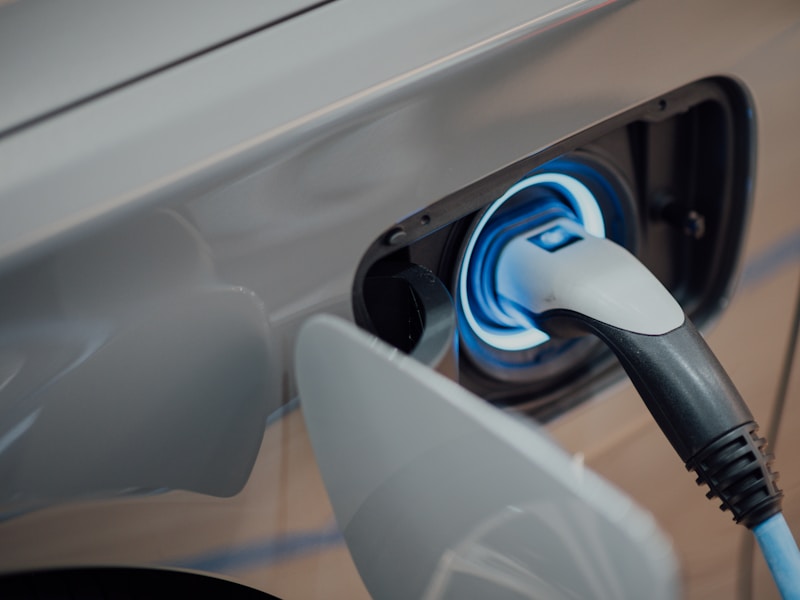
The electric SUV market has exploded in 2026, with over 30 models available from traditional automakers and EV startups competing for American families seeking the perfect blend of range, capability, and technology. Tesla Model Y maintains its sales lead, but Rivian R1S and Ford Mustang Mach-E have closed the gap in features, range, and overall value. With battery technology improving, charging networks expanding, and prices declining due to competition, 2026 represents the best time to consider switching to an electric SUV. This comprehensive comparison evaluates the top models across range, performance, technology, charging speed, and total cost of ownership to help you find the right electric SUV for your needs.
Key Takeaways
- Tesla Model Y offers the best range (330 miles) and fastest charging (15 minutes for 200 miles)
- Rivian R1S provides the most capable off-road performance with 14.9 inches of ground clearance
- Ford Mustang Mach-E offers the best value starting at $42,995 with 312 miles of range
- Federal tax credit of $7,500 applies to all three models, reducing effective purchase prices
- Home charging costs average $50-$75 monthly versus $200-$300 for gasoline SUVs
- Electric SUVs maintain 60-70% resale value after 3 years, comparable to luxury gasoline SUVs
Tesla Model Y: The Benchmark
The 2026 Tesla Model Y Long Range ($47,990) sets the standard for electric SUVs with 330 miles of EPA-estimated range, the longest of any SUV in its price range. Tesla Supercharger network remains the gold standard, with over 25,000 fast chargers providing 200 miles of range in just 15 minutes. The Model Y minimalist interior features a 15-inch touchscreen that controls nearly all vehicle functions, creating a clean, uncluttered cabin. Autopilot and Full Self-Driving capabilities (additional $12,000) provide the most advanced driver-assistance features available in production vehicles.
Performance-wise, the Model Y Long Range accelerates from 0-60 mph in 4.8 seconds while maintaining a comfortable ride quality that absorbs road imperfections effectively. The dual-motor all-wheel-drive system provides excellent traction in all weather conditions, and the vehicle low center of gravity (battery pack mounted in the floor) reduces body roll and improves handling compared to traditional SUVs. Cargo space measures 68 cubic feet with rear seats folded, competitive with similarly-sized gasoline SUVs.
Tesla over-the-air update capability keeps the Model Y continuously improving after purchase, with regular additions of new features, performance enhancements, and interface improvements. The mobile app provides remote control of climate, charging, and vehicle location, while Sentry Mode uses external cameras for security monitoring. However, Tesla build quality inconsistency, reliance on touchscreen controls for basic functions, and customer service reputation remain concerns for some buyers.
Rivian R1S: The Adventure Specialist
The 2026 Rivian R1S ($75,900) targets outdoor enthusiasts and families who need genuine off-road capability without sacrificing on-road comfort. The R1S offers 321 miles of range with its Large Pack battery and features four independent motors that provide precise torque vectoring for maximum traction on challenging terrain. Ground clearance of 14.9 inches (in off-road mode) exceeds most traditional SUVs, and the vehicle wading depth of 3 feet allows river crossings that would stop other electric vehicles.
The R1S interior combines premium materials with practical design, featuring rubberized flooring for easy cleaning after outdoor adventures. The 12.3-inch instrument cluster and 15.6-inch center touchscreen provide intuitive access to vehicle functions, while the Camp Kitchen accessory (optional $5,000) transforms the gear tunnel into a portable cooking station. Third-row seating accommodates seven passengers, though the rearmost seats are best suited for children due to limited legroom.
Rivian Adventure Network charging stations, strategically located near outdoor destinations, provide convenient fast charging for road trips to national parks and recreation areas. The company mobile service vans bring repairs and maintenance directly to customers, reducing the inconvenience of service appointments. However, Rivian limited service network and relatively new brand presence create concerns about long-term support and parts availability compared to established manufacturers.
Ford Mustang Mach-E: The Value Champion
The 2026 Ford Mustang Mach-E ($42,995) delivers the best value proposition in the electric SUV market, offering 312 miles of range at a price point $5,000-$15,000 less than competitors with similar specifications. The Mach-E engaging driving dynamics live up to the Mustang name, with responsive steering and sporty suspension tuning that make it genuinely fun to drive. The standard rear-wheel-drive configuration provides excellent efficiency, while the GT Performance Edition ($59,995) delivers 480 horsepower and a 3.5-second 0-60 time that rivals sports cars.
Ford SYNC 4A infotainment system features a 15.5-inch touchscreen with intuitive voice control and over-the-air update capability. The BlueCruise hands-free highway driving system provides Level 2+ autonomous capability on over 130,000 miles of mapped highways, competing with Tesla Autopilot at a lower cost. The Mach-E spacious interior provides 59.7 cubic feet of cargo space with rear seats folded, and the front trunk (frunk) adds 4.7 cubic feet of additional storage.
Ford extensive dealer network provides convenient service access that Rivian and Tesla cannot match, with over 3,000 dealerships nationwide capable of servicing electric vehicles. The Mach-E qualifies for the full $7,500 federal tax credit, reducing the effective purchase price to $35,495 competitive with many gasoline SUVs when accounting for lower fuel and maintenance costs. Ford Pro Power Onboard system allows the Mach-E to power tools and equipment, adding utility for contractors and outdoor enthusiasts.
Range, Charging, and Real-World Performance
Range comparison reveals meaningful differences between these SUVs in real-world conditions. The Tesla Model Y 330-mile EPA rating translates to approximately 280-300 miles in mixed driving, with highway speeds reducing range by 15-20%. The Rivian R1S achieves 270-290 miles in real-world conditions, slightly below its 321-mile rating due to its larger, heavier design. The Ford Mach-E delivers 260-280 miles in typical use, with the extended range battery option providing an additional 20-30 miles. Cold weather reduces all models range by 20-30%, requiring careful trip planning during winter months.
Charging speed and network access significantly impact ownership experience. Tesla Supercharger network provides the most reliable fast charging, with stations averaging 95% uptime and locations every 50-100 miles along major highways. The Model Y charges at up to 250 kW, adding 200 miles of range in 15 minutes. The Rivian R1S charges at up to 220 kW, requiring 20-25 minutes for a similar range increase. The Mach-E charges at up to 150 kW, needing 30-35 minutes for 200 miles of range. Third-party charging networks (Electrify America, ChargePoint) provide additional options but with lower reliability than Tesla network.
Home charging provides the most convenient ownership experience, with Level 2 chargers (240V) adding 30-40 miles of range per hour. A full overnight charge provides sufficient range for most daily driving needs, eliminating the need for frequent public charging. The cost of home charging averages $0.04-$0.06 per mile, compared to $0.12-$0.18 per mile for gasoline SUVs, resulting in $1,500-$2,500 annual fuel savings for typical drivers.
Total Cost of Ownership Analysis
Purchase price comparisons must account for federal and state incentives that significantly reduce effective costs. All three SUVs qualify for the $7,500 federal tax credit, with additional state incentives ranging from $2,000-$5,000 depending on location. The Model Y effective price drops to $40,490-$43,490, the R1S to $68,400-$71,400, and the Mach-E to $35,490-$38,490 after incentives. These prices become competitive with similarly-equipped gasoline SUVs when factoring in lower operating costs.
Maintenance costs favor electric vehicles significantly. The Model Y, R1S, and Mach-E eliminate oil changes, transmission service, and many other maintenance items required by gasoline vehicles. Tire rotation, brake fluid, and cabin air filter replacement constitute the primary maintenance requirements, costing $200-$400 annually versus $500-$800 for gasoline equivalents. Brake pad life extends to 60,000-100,000 miles due to regenerative braking, further reducing maintenance costs.
Insurance costs for electric SUVs run 15-25% higher than gasoline equivalents due to higher repair costs and limited parts availability. The Model Y averages $1,800-$2,200 annually, the R1S $2,000-$2,400, and the Mach-E $1,600-$2,000, depending on coverage levels and driver profile. Higher insurance costs partially offset fuel and maintenance savings, but total five-year ownership costs still favor electric SUVs by $5,000-$15,000 depending on driving habits and local electricity rates.
Pros and Cons Comparison
Tesla Model Y Advantages
- Best range - 330 miles EPA rating leads the segment
- Fastest charging - Supercharger network provides 200 miles in 15 minutes
- Technology leadership - Over-the-air updates continuously improve the vehicle
- Resale value - Strong brand recognition maintains 65%+ resale value
- Autopilot capability - Most advanced driver-assistance features available
Tesla Model Y Disadvantages
- Build quality concerns - Panel gaps and interior fit issues persist
- Minimalist interior - Touchscreen-only controls frustrate some drivers
- Customer service - Service responsiveness varies significantly by location
- Polarizing design - Distinctive styling does not appeal to all buyers
- Brand perception - Tesla image divides potential customers
Rivian R1S Advantages
- Off-road capability - 14.9-inch ground clearance and 3-foot wading depth
- Adventure features - Camp Kitchen, gear tunnel, and outdoor-ready design
- Premium interior - High-quality materials and practical layout
- Third-row seating - True seven-passenger capacity
- Mobile service - Technicians come to your location for repairs
Rivian R1S Disadvantages
- Highest price - $75,900 starting price exceeds competitors
- Limited service network - Fewer service locations than established brands
- New brand - Long-term reliability data is limited
- Lower efficiency - Larger size reduces range efficiency
- Availability - Production constraints create wait times
Ford Mustang Mach-E Advantages
- Best value - Lowest starting price with competitive range
- Dealer network - 3,000+ service locations nationwide
- Engaging driving - Sporty handling lives up to Mustang name
- BlueCruise - Hands-free highway driving on mapped roads
- Pro Power Onboard - Vehicle-to-load capability for tools and equipment
Ford Mustang Mach-E Disadvantages
- Shortest range - 312 miles EPA vs competitors higher ratings
- Slowest charging - 150 kW max requires longer stops
- Dealer experience - Inconsistent dealership knowledge of EVs
- Less cargo space - 59.7 cubic feet vs competitors larger volumes
- Brand association - Mustang name creates expectations the Mach-E may not meet for purists
Why This Matters in 2026
The electric SUV market has reached an inflection point where these vehicles are no longer compromises but genuine improvements over their gasoline counterparts. Lower operating costs, superior performance, reduced maintenance, and environmental benefits make electric SUVs compelling choices for American families. The competition between Tesla, Rivian, and Ford drives innovation, reduces prices, and expands options, benefiting consumers who now have genuine alternatives that match their specific needs and budgets.
Understanding the differences between these vehicles is crucial because the best electric SUV varies dramatically based on individual priorities. Tesla dominates range and charging infrastructure, making it ideal for road-trippers. Rivian excels at adventure capability for outdoor enthusiasts. Ford provides the best value for budget-conscious buyers who want electric without premium pricing. Matching your vehicle choice to your lifestyle ensures satisfaction and maximizes the benefits of electric ownership.
The broader impact of electric SUV adoption extends beyond individual owners. Reduced tailpipe emissions improve air quality, particularly in urban areas. Increased electricity demand drives investment in renewable energy, while declining battery costs make electric vehicles accessible to more Americans. As charging infrastructure expands and battery technology improves, the transition from gasoline to electric SUVs accelerates, reshaping transportation, energy, and environmental outcomes for decades to come.
Frequently Asked Questions
Which electric SUV has the longest range?
The Tesla Model Y Long Range leads with 330 miles of EPA-estimated range, translating to approximately 280-300 miles in real-world conditions. The Rivian R1S offers 321 miles, while the Ford Mustang Mach-E provides 312 miles. Highway driving reduces range by 15-20%, and cold weather can reduce it by an additional 20-30%. For most daily driving needs, all three models provide sufficient range for a full day of driving without charging.
How much does it cost to charge an electric SUV at home?
Home charging costs vary by electricity rates but typically average $0.04-$0.06 per mile. For a typical driver covering 12,000 miles annually, home charging costs $480-$720 yearly, compared to $1,800-$2,500 for gasoline in a comparable SUV. A full charge from empty costs $8-$12 for the Model Y, $10-$14 for the R1S, and $9-$13 for the Mach-E, depending on local electricity rates. Installing a Level 2 charger ($500-$1,500 installed) provides convenient overnight charging.
Do electric SUVs work well in cold weather?
Electric SUVs perform well in cold weather but experience range reduction of 20-30% due to battery chemistry and cabin heating requirements. Tesla heat pump system is the most efficient, minimizing range loss in cold conditions. All three models offer pre-conditioning that warms the battery and cabin while plugged in, preserving range for driving. Battery thermal management systems maintain optimal performance in extreme cold, and all-wheel-drive versions provide excellent traction in snow and ice.
How long do electric SUV batteries last?
Electric SUV batteries are designed to last 300,000-500,000 miles, typically retaining 80-90% capacity after 10 years or more. Tesla battery warranty covers 8 years/120,000 miles with 70% capacity retention. Rivian offers 8 years/175,000 miles, and Ford provides 8 years/100,000 miles. Real-world data shows batteries lasting significantly longer than warranty periods, with many exceeding 200,000 miles with minimal degradation. Battery replacement costs have fallen to $5,000-$10,000, making it a rare but manageable expense.