Coffee Prices 2026: Why Your Morning Brew Costs More and How to Save
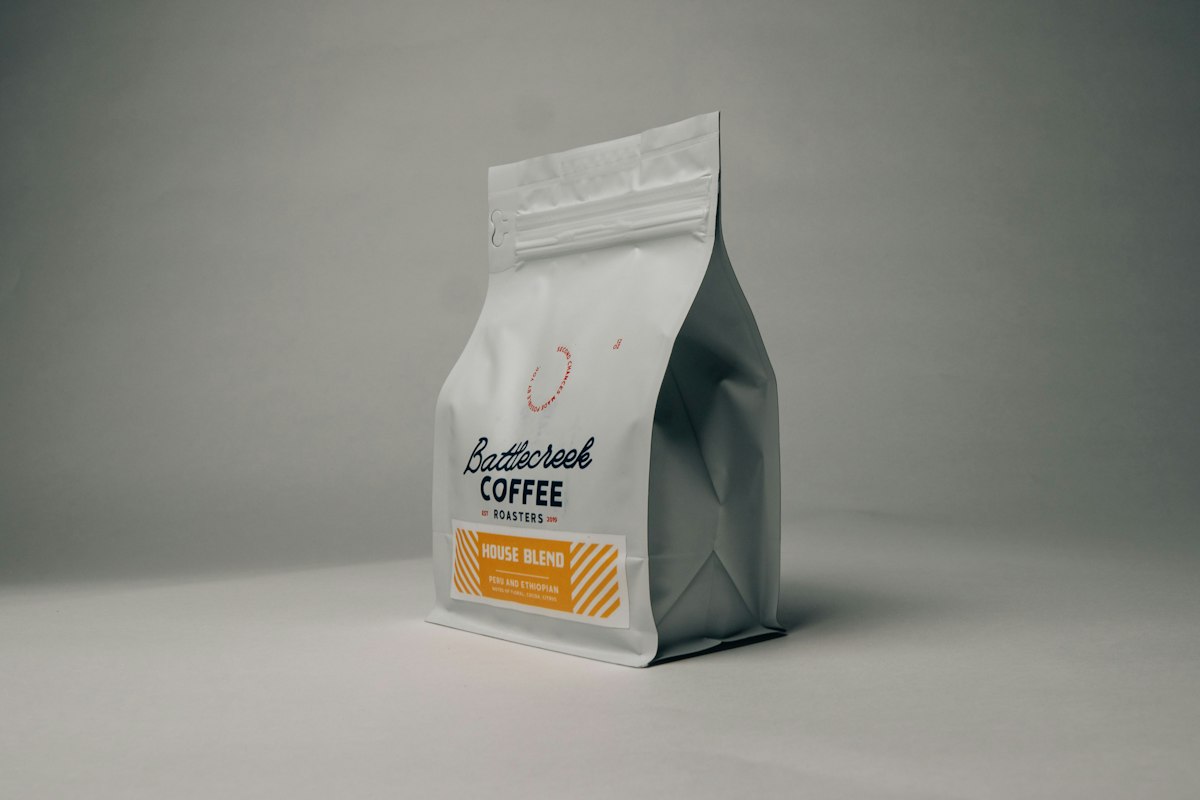
If you have noticed your morning coffee getting more expensive, you are not imagining things. Coffee prices in 2026 have surged to levels not seen in over a decade, and the ripple effects are being felt at every coffee shop, grocery store, and drive-through in America. From climate change impacting coffee-growing regions to rising transportation costs, there are several reasons why your daily brew costs more than ever. Here is what is driving the increase and how you can keep your coffee habit affordable.
How Much Coffee Prices Have Increased in 2026
Coffee prices have risen significantly across the board since 2025. At major coffee chains, the average price of a 16-ounce latte has increased from approximately $5.25 to $6.50, a jump of about 24 percent. Black coffee, which was typically $2.75 to $3.50, now costs between $3.25 and $4.50 at most chains.
At the grocery store, a 12-ounce bag of ground coffee that cost $8.99 in 2025 now sells for $10.99 to $12.99 depending on the brand. Premium and specialty coffees have seen even steeper increases, with some artisanal brands raising prices by 30 percent or more.
For the average American who drinks about three cups of coffee per day, these price increases add up quickly. If you buy your coffee from a shop, you could be spending an extra $50 to $100 per month compared to a year ago. Over a year, that adds up to $600 to $1,200 more in coffee expenses alone.
Why Coffee Prices Are Rising
Climate Change and Extreme Weather
The primary driver of rising coffee prices is climate change affecting the regions where coffee is grown. Coffee is a delicate crop that requires specific temperature, rainfall, and altitude conditions to thrive. The world's coffee supply is concentrated in just a few countries: Brazil, Colombia, Vietnam, Ethiopia, and Honduras.
Brazil, which produces about one-third of the world's coffee, experienced its worst drought in decades during 2025. The drought reduced coffee yields by approximately 25 percent, creating a global supply shortage that has pushed prices upward. Colombia has also faced unpredictable weather patterns, with excessive rain followed by drought damaging crops across the country.
Scientists warn that climate change will continue to threaten coffee production in the coming decades. Studies suggest that by 2050, the area suitable for growing coffee could be reduced by up to 50 percent due to rising temperatures and changing rainfall patterns.
Supply Chain and Transportation Costs
Transportation costs have been rising steadily, and coffee is no exception. The cost of shipping containers has increased, fuel prices remain elevated, and labor shortages at ports have created bottlenecks in the supply chain. These costs are passed on to consumers at every stage, from the farm to the cup.
Additionally, the global coffee supply chain is complex. Coffee beans must be grown, harvested, processed, shipped, roasted, and distributed before they reach consumers. Each step adds costs, and when any link in the chain faces challenges, the entire system is affected.
Tariffs and Trade Policies
Recent tariff changes have also contributed to higher coffee prices. The United States imports nearly all of its coffee, and tariffs on imported goods can increase costs for importers, roasters, and ultimately consumers. While coffee tariffs have not changed dramatically in 2026, the cumulative effect of various trade policies has added to the overall cost structure.
Increased Global Demand
Demand for coffee continues to grow worldwide, particularly in emerging markets like China, India, and Southeast Asia. As these countries develop and their middle classes expand, more people are drinking coffee, putting additional pressure on an already strained global supply.
In the United States, coffee consumption has remained stable at about 400 million cups per day, but the shift toward premium and specialty coffees has increased demand for higher-quality beans that are more expensive to produce.
How to Save Money on Coffee in 2026
Despite the price increases, there are several strategies you can use to keep your coffee habit affordable without sacrificing quality.
Brew at Home
The single most effective way to save money on coffee is to brew at home. A cup of coffee brewed at home costs approximately $0.25 to $0.50 depending on the beans and method you use. Compare that to $4.00 to $6.50 at a coffee shop, and the savings are dramatic.
If you currently buy one coffee shop coffee per day, switching to home brewing could save you $100 to $150 per month, or $1,200 to $1,800 per year. Over a decade, that adds up to $12,000 to $18,000 in savings.
Invest in Good Equipment
You do not need expensive equipment to make great coffee at home. A simple pour-over dripper costs about $10 and produces excellent coffee. A French press costs $15 to $25 and requires no filters. An AeroPress costs $30 and is perfect for travel. These simple tools can produce coffee that rivals what you get at a coffee shop.
If you want an electric option, a basic drip coffee maker costs $25 to $40 and can brew enough coffee for several cups. Avoid expensive espresso machines unless you are willing to invest the time to learn how to use them properly.
Buy Beans in Bulk
Buying coffee beans in bulk significantly reduces the per-cup cost. A one-pound bag of good quality whole bean coffee costs $10 to $14 and makes approximately 30 cups of coffee. That works out to about $0.35 to $0.47 per cup.
Look for sales at grocery stores, join coffee subscription services that offer discounts, or buy directly from roasters who offer bulk pricing. Many roasters offer 5-pound bags at a discount compared to buying five one-pound bags.
Explore Budget-Friendly Origins
Not all coffee is created equal, and some origins offer excellent quality at lower prices. Colombian and Ethiopian coffees tend to be more expensive, while coffees from Brazil, Honduras, and Vietnam often offer good flavor at lower prices. Experimenting with different origins can help you find a coffee you love at a price you can afford.
Use Loyalty Programs and Apps
Most major coffee chains offer loyalty programs that provide discounts, free drinks, and other perks. Starbucks Rewards, Dunkin' Perks, and Peetnik Rewards are all free to join and can save you money over time. Some apps also offer cash back on coffee purchases at participating retailers.
Reduce Your Frequency
If you currently buy coffee from a shop every day, consider reducing to three or four times per week and brewing at home on the other days. This simple change can cut your coffee shop spending by 40 to 50 percent while still allowing you to enjoy your favorite café treats.
The Economics of Your Daily Coffee
Understanding the economics of coffee can help you make smarter choices. Here is a breakdown of where your money goes when you buy a cup of coffee:
- Green coffee beans: About 15-20 percent of the retail price
- Roasting and packaging: About 10-15 percent
- Transportation and distribution: About 5-10 percent
- Retail overhead (rent, labor, utilities): About 35-45 percent
- Profit margin: About 10-15 percent
The largest portion of your coffee shop spending goes to covering the shop's overhead, not the coffee itself. This is why brewing at home is so much cheaper: you eliminate most of these costs.
Is This the New Normal?
Many coffee industry experts believe that the current price levels are likely here to stay, at least for the foreseeable future. Climate change is a long-term trend that will continue to affect coffee production, and demand is expected to keep growing as emerging markets develop.
However, there are reasons for optimism. New coffee-growing regions are being developed, including parts of Mexico, China, and even the United States (Hawaii and California). Advanced farming techniques are helping existing growers produce more coffee with fewer resources. And the specialty coffee movement is encouraging farmers to focus on quality over quantity, which can command higher prices and support more sustainable growing practices.
For consumers, the key takeaway is that coffee is becoming a more premium product. Just as wine and craft beer have evolved from commodities to premium experiences, coffee is following a similar trajectory. Expect to pay more for high-quality coffee, but also expect better quality and more variety than ever before.
Frequently Asked Questions
Why are coffee prices going up in 2026?
Coffee prices are rising in 2026 due to a combination of factors including climate change affecting coffee-growing regions, extreme weather events reducing crop yields, rising transportation costs, increased demand globally, and tariff impacts on imported coffee beans.
How much has the price of coffee increased in 2026?
Coffee prices have increased approximately 15-25 percent since 2025 depending on the variety. Arabica beans, used in specialty coffee, have seen the largest increases. A typical cup of coffee at a major chain now costs between $4.50 and $7.00 compared to $3.50 to $5.50 in 2025.
How can I save money on coffee in 2026?
You can save money on coffee by brewing at home, buying beans in bulk, using a French press or pour-over instead of expensive machines, joining loyalty programs at coffee shops, and exploring less popular coffee origins that offer good quality at lower prices.
Is coffee getting more expensive permanently?
Many experts believe coffee prices will remain elevated due to long-term climate trends affecting major growing regions in Brazil, Colombia, and Vietnam. However, new growing regions and improved farming techniques may help moderate prices over time.