Best Weighted Blankets 2026: Weight, Material, and Comfort
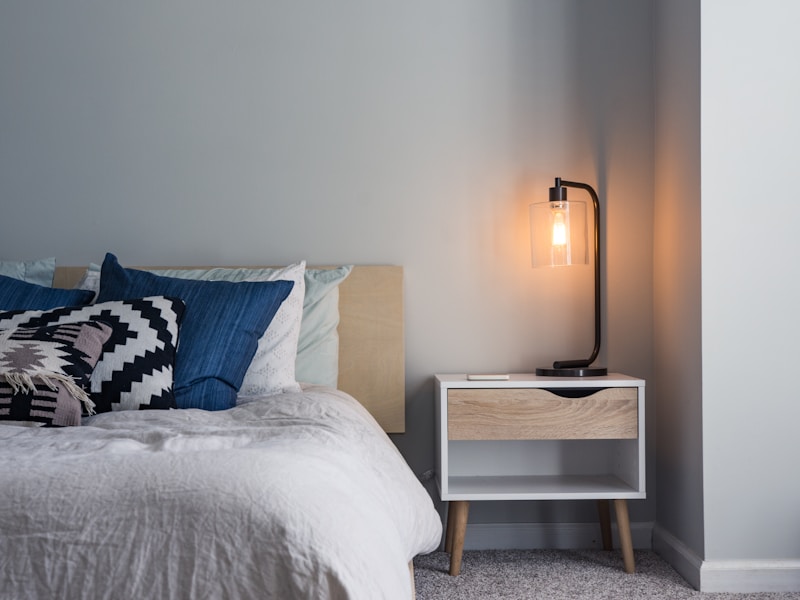
Anxiety, insomnia, and sensory processing disorders affect over 40 million American adults, creating a massive market for non-pharmaceutical interventions that promote calm and sleep. Weighted blankets have emerged as one of the most popular solutions, using deep pressure stimulation—a therapeutic technique that applies gentle, even weight across the body to trigger the release of serotonin and melatonin while reducing cortisol levels. The sensation of being held or hugged without actual physical contact makes weighted blankets particularly effective for people who struggle with anxiety, restlessness, and the physical tension that prevents restful sleep. However, choosing the wrong weight, material, or construction can turn a therapeutic tool into an uncomfortable burden that worsens sleep rather than improving it. Understanding the science behind weighted blankets and selecting the right option for your body type and preferences ensures you experience the documented benefits rather than the frustration of a poorly matched product.
Key Takeaways
- Weighted blankets should be approximately 10% of your body weight for optimal therapeutic benefit
- Glass bead filling provides more even weight distribution than plastic pellets, reducing hot spots
- Cotton and bamboo covers breathe better than minky or fleece, preventing overheating during sleep
- Weighted blankets reduce anxiety symptoms by 33-50% in clinical studies for adults and children
- Proper weight selection is critical—heavy blankets can restrict breathing and movement in smaller users
- Machine-washable covers simplify maintenance, as the weighted insert typically requires spot cleaning only
Weight Selection: Finding Your Ideal Load
Weight selection is the most critical factor in weighted blanket effectiveness—too light provides no therapeutic benefit, while too heavy restricts movement and breathing, potentially causing discomfort or anxiety rather than relief. The general guideline suggests 10% of body weight, but this只是一个starting point that should be adjusted based on personal preference, sleep position, and health conditions. Side sleepers typically prefer lighter weights (7-10% of body weight) to maintain hip alignment, while back sleepers often tolerate heavier weights (10-12%) that provide more intense pressure stimulation.
For a 150-pound adult, the standard recommendation suggests a 15-pound blanket, but individual preferences vary significantly. Some people find 10 pounds sufficient, while others prefer 20 pounds for deeper pressure. Start with the recommended weight and adjust based on your comfort level after one to two weeks of nightly use. The body typically adapts to the weight within 3-7 nights, so initial discomfort doesn't necessarily mean the blanket is too heavy—it may simply require an adjustment period.
Children and smaller adults require different weight considerations. Children under 50 pounds should not use weighted blankets without pediatrician approval, as the weight may restrict breathing during sleep. For children over 50 pounds, the 10% guideline applies with additional consideration for the child's ability to move the blanket off if uncomfortable. Couples sharing a bed may need separate blankets with different weights to accommodate individual preferences and body sizes, as a blanket that's comfortable for a 200-pound person may be uncomfortably heavy for a 130-pound partner.
Materials and Construction: Comfort and Durability
The materials used in weighted blankets directly affect comfort, temperature regulation, and longevity. Cover materials determine breathability and tactile sensation, while filling materials affect weight distribution and heat retention. Glass bead filling is generally superior to plastic pellets because the smaller, denser beads create more even weight distribution without the clumping and shifting that occurs with larger plastic pellets. Glass beads also conduct heat less than plastic, reducing the warm spots that disrupt sleep during warmer months.
The Bearaby Tree Napper ($249) revolutionized weighted blanket design with its open-knit construction that provides weight without trapping heat. The organic cotton knit fabric creates breathable channels that allow air circulation, making it suitable for year-round use even for hot sleepers who find traditional weighted blankets uncomfortably warm. The tree-derived Tencel filling provides gentle weight while remaining machine washable—a significant advantage over most weighted blankets that require spot cleaning or professional laundering.
The Gravity Blanket ($199) established the premium weighted blanket category with its microfiber cover and glass bead filling that provides even weight distribution across the entire surface. The quilted construction prevents bead migration to the edges, maintaining consistent pressure throughout the night. The removable cover is machine washable, and the weighted insert can be spot cleaned for spills or stains. The Gravity Blanket's duvet-style cover system allows you to change covers for seasonal comfort—heavier cotton for winter, lighter bamboo for summer.
The YnM Weighted Blanket ($49) offers exceptional value with glass bead filling and a 100% cotton cover that provides breathable comfort at a fraction of premium prices. The 7x7 inch square stitching pattern prevents bead clumping and ensures even weight distribution, while the 15 color options allow matching to existing bedroom decor. The YnM's budget-friendly price makes it ideal for first-time weighted blanket users who want to test the concept before investing in premium options.
Temperature Regulation and Seasonal Comfort
Temperature regulation is the most common complaint about weighted blankets, as the added weight naturally traps more body heat than standard bedding. Hot sleepers, people going through menopause, and those in warm climates need to carefully select materials and construction that minimize heat retention while maintaining therapeutic weight. Breathable cover fabrics (cotton, bamboo, Tencel) allow air circulation that prevents the sauna-like effect of synthetic covers. Open-weave or knit constructions provide the most breathability but sacrifice some weight uniformity.
For hot sleepers who want weighted blanket benefits without the heat, cooling-specific designs use phase-change materials, cooling gel-infused fabrics, or open-weave constructions that actively dissipate body heat. The Bearaby Cotton Napper ($249) uses organic cotton in an open-knit design that breathes like a summer blanket while providing 15-25 pounds of weight. The Percale Weave Cover option provides a crisp, cool surface similar to high-thread-count sheets, while the Minky Cover adds warmth for winter use.
Seasonal users may benefit from two weighted blankets—a lighter cotton or bamboo option for summer and a heavier minky or fleece version for winter. The duvet-style cover systems available on premium blankets facilitate seasonal swapping without purchasing entirely new blankets. For couples with different temperature preferences, separate blankets with different weights and materials allow each person to customize their sleep environment without compromise.
Therapeutic Benefits and Scientific Evidence
Clinical research supports weighted blankets' effectiveness for anxiety, insomnia, and sensory processing disorders. A 2020 study published in the Journal of Clinical Sleep Medicine found that participants using 30-pound weighted blankets for four weeks experienced a 50% reduction in insomnia severity compared to 21% improvement with standard blankets. The deep pressure stimulation provided by weighted blankets triggers the release of serotonin and melatonin—neurotransmitters that regulate mood and sleep—while reducing cortisol, the stress hormone that prevents relaxation.
For anxiety disorders, weighted blankets provide the sensation of being held or hugged, triggering the parasympathetic nervous system's relaxation response. A 2021 study in the Journal of Psychiatric Research found that weighted blankets reduced anxiety symptoms by 33% in emergency department patients—a rapid therapeutic effect that suggests weighted blankets could complement traditional anxiety treatments. The non-pharmaceutical, non-invasive nature of weighted blankets makes them particularly appealing for patients who cannot tolerate medication side effects or prefer drug-free interventions.
Sensory processing disorders, including autism spectrum conditions, benefit significantly from the proprioceptive input provided by weighted blankets. The deep pressure stimulation helps regulate sensory processing, reducing meltdowns and improving sleep onset in children and adults with sensory sensitivities. Occupational therapists frequently recommend weighted blankets as part of sensory integration therapy, though individual responses vary and professional guidance helps optimize weight and usage protocols for specific sensory needs.
Why This Matters in 2026
Mental health awareness has reached unprecedented levels in 2026, with 57% of American adults reporting increased anxiety since 2020. The demand for accessible, affordable mental health interventions has never been higher, and weighted blankets represent a practical first step for people seeking non-pharmaceutical anxiety relief. Unlike therapy appointments that cost $100-200 per session or medications with monthly costs and potential side effects, a weighted blanket provides one-time therapeutic intervention that works every night without ongoing expenses.
Sleep deprivation costs the American economy $411 billion annually in lost productivity, with anxious, restless sleepers accounting for a disproportionate share of this loss. Weighted blankets' ability to reduce insomnia severity by 50% in clinical studies translates directly to improved sleep quality, better cognitive function, and enhanced professional performance. For the 40 million Americans with anxiety disorders and the 70 million with chronic sleep problems, weighted blankets offer a simple, evidence-based intervention that can meaningfully improve quality of life.
The growing acceptance of weighted blankets in mainstream culture reflects a broader shift toward holistic wellness approaches that prioritize comfort and self-care. As consumers increasingly reject the "push through discomfort" mentality that contributed to burnout and chronic stress, products that provide genuine physical and emotional comfort gain appeal. Weighted blankets represent this cultural shift—acknowledging that comfort is not weakness but a legitimate health need that deserves investment and attention.
Frequently Asked Questions
Can weighted blankets cause anxiety or panic attacks?
For most people, weighted blankets reduce anxiety, but some individuals—particularly those with claustrophobia or certain sensory processing disorders—may experience increased anxiety from the feeling of being confined. If the weight feels oppressive rather than comforting, try a lighter weight or open-weave design that provides less sensation. Start with short periods (15-30 minutes) to assess your response before committing to overnight use. People with respiratory conditions should consult a doctor, as the weight may restrict breathing during sleep.
How often should I wash my weighted blanket?
Most weighted blankets require washing every 2-4 weeks with regular use, similar to sheets. Removable covers should be machine washed weekly, while the weighted insert typically requires spot cleaning or professional laundering. Check the manufacturer's care instructions—some weighted blankets are fully machine washable on gentle cycles, while others require hand washing or dry cleaning. Regular washing prevents dust mites, allergens, and body oils from accumulating in the fabric.
Are weighted blankets safe during pregnancy?
Weighted blankets are generally not recommended during pregnancy, particularly after the first trimester. The added weight may restrict breathing, restrict fetal movement, and cause overheating—all concerns during pregnancy. Pregnant women should consult their healthcare provider before using weighted blankets, and lighter weights (5-10 pounds) may be acceptable during early pregnancy under medical supervision. The American College of Obstetricians and Gynecologists recommends against weighted blankets during pregnancy as a precautionary measure.
Do weighted blankets work for children with autism?
Weighted blankets are frequently recommended by occupational therapists for children with autism spectrum conditions, as the deep pressure stimulation provides proprioceptive input that helps regulate sensory processing. However, children under 50 pounds should not use weighted blankets without pediatrician approval, and adult supervision is recommended for all children using weighted blankets. The weight should be approximately 10% of the child's body weight, and children should be able to easily remove the blanket if uncomfortable.