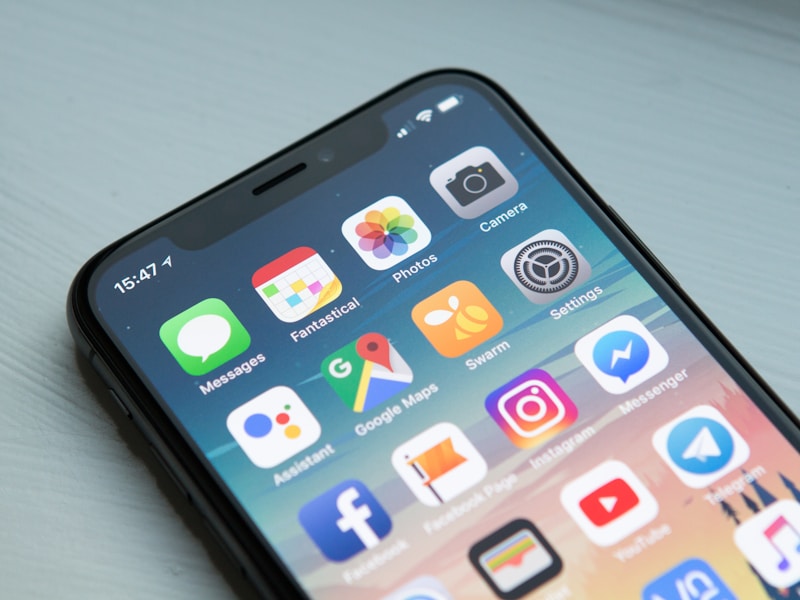
Managing money used to require spreadsheets, envelopes of cash, and tedious manual tracking. Today, budgeting apps have transformed personal finance from a chore into an automated, even enjoyable experience. With features like automatic bank syncing, real-time spending alerts, goal tracking, and AI-powered insights, these tools make it easier than ever to take control of your finances. Yet with dozens of budgeting apps available, choosing the right one can feel overwhelming. Each app has its own philosophy, feature set, and pricing modeland the best choice depends entirely on your financial situation, goals, and personal money style.
This comprehensive comparison breaks down the best budgeting apps of 2026Mint (Credit Karma Money), YNAB, and EveryDollaralong with several other top contenders. We'll examine features, pricing, user experience, bank syncing capabilities, and which app works best for different types of budgeters, from beginners to financial perfectionists.
Key Takeaways
- Mint (Credit Karma Money) offers the best free budgeting experience with comprehensive features
- YNAB is the gold standard for serious budgeters, with users saving an average of $6,000 in their first year
- EveryDollar provides the simplest zero-based budgeting approach with a free tier
- Monarch Money is the best premium alternative with excellent investment tracking
- Goodbudget excels for couples who want to share budgeting responsibilities
- All major apps offer bank syncing, though the number of supported institutions varies
Mint (Credit Karma Money): Best Free Budgeting App
Mint, now integrated into Credit Karma Money, remains the most popular free budgeting app with over 30 million users. Its killer feature is comprehensive functionality at zero costautomatic bank syncing, spending categorization, budget tracking, bill monitoring, credit score access, and investment tracking all come standard. For anyone who wants a complete financial overview without paying a subscription fee, Mint is the clear winner.
The app connects to virtually every U.S. bank and credit card issuer, automatically importing and categorizing transactions in real time. Its AI-powered categorization improves over time, learning your spending patterns and automatically sorting purchases into the correct categories. The dashboard provides a clear visual snapshot of your net worth, upcoming bills, spending trends, and budget status. The credit score monitoring feature, which updates weekly, helps you track your credit health alongside your budget.
The primary limitation of Mint is its monetization model. As a free app owned by Intuit (now Credit Karma), Mint generates revenue through targeted financial product recommendations. Users frequently report seeing advertisements for credit cards, loans, and investment accounts within the app. While these recommendations can be useful if you're actively shopping for financial products, they can feel intrusive for users who simply want a clean budgeting tool. Additionally, Mint's budgeting tools are somewhat basic compared to dedicated budgeting appsit's better at tracking spending than helping you create and stick to a proactive budget plan.
YNAB (You Need a Budget): Best for Serious Budgeters
YNAB takes a fundamentally different approach to budgeting than most apps. Rather than tracking where your money went after you spend it, YNAB uses a zero-based budgeting method where you assign every dollar a specific job before the month begins. This proactive approach forces you to be intentional about every dollar you earn, which is why YNAB users report saving an average of $600 in their first two months and $6,000 in their first year.
The zero-based budgeting philosophy is simple but powerful: at the start of each month, you allocate your entire expected income to specific categoriesrent, groceries, savings, debt payments, entertainment, and so on. As you spend money throughout the month, you track each transaction against your budget categories. If you overspend in one category, you must cover it by reducing spending in another. This creates awareness and accountability that passive tracking apps simply can't match.
YNAB costs $99 per year (or $14.99 per month), but they offer a 34-day free trial and a free year for students. The app syncs with thousands of banks, offers goal tracking, debt payoff planning, detailed reports, and multi-device syncing. The learning curve is steeper than Mint or EveryDollar, but YNAB provides extensive educational resources including videos, podcasts, and live workshops. For people who are serious about transforming their financial habits, YNAB's price is a bargain compared to the money it helps you save.
EveryDollar: Best Simple Budgeting App
EveryDollar, created by financial guru Dave Ramsey, offers the simplest approach to zero-based budgeting. The free version provides a straightforward interface where you create budget categories, set spending limits, and track expenses by dragging transactions to the appropriate categories. It's designed for people who want the accountability of zero-based budgeting without the complexity of YNAB's feature set.
The free version of EveryDollar doesn't sync with your bankyou manually enter each transaction. While this sounds tedious, Ramsey's team argues that manually tracking spending creates greater financial awareness. When you physically enter every purchase, you're more conscious of where your money goes. The premium version, Ramsey+, adds automatic bank syncing for $19.99 per month (or $99.99 per year) and includes access to all of Ramsey's financial courses and tools.
EveryDollar is particularly popular among Dave Ramsey followers who are working the Baby Stepshis prescribed plan for getting out of debt and building wealth. The app integrates seamlessly with Ramsey's debt snowball and debt avalanche methods, making it easy to track progress on your debt payoff journey. However, it lacks some of the advanced features found in YNAB, such as detailed reporting, multi-currency support, and sophisticated goal tracking.
Other Top Budgeting Apps Worth Considering
Monarch Money has emerged as the top premium budgeting app in 2026, offering a polished interface that combines budgeting, investment tracking, and net worth monitoring. At $9.99 per month, it provides a comprehensive financial dashboard that's particularly valuable for couples and families who want to manage finances together. Its collaborative features allow multiple users to access and manage the same budget in real time.
Goodbudget uses the envelope budgeting method, where you allocate money into virtual envelopes for different spending categories. It's excellent for couples who want to share budgeting responsibilities, as both partners can access and update envelopes from their own devices. The free version allows one account with limited envelopes, while the premium version ($10/month) offers unlimited envelopes and multiple devices.
Personal Capital (Empower Personal Dashboard) is ideal for investors who want to track their entire financial picture in one place. While it offers budgeting tools, its strength lies in investment tracking, retirement planning, and net worth monitoring. The free version provides comprehensive investment analysis, including fee analysis that can identify expensive funds in your portfolio. It's the best choice for people whose primary concern is growing wealth rather than controlling spending.
How to Choose the Right Budgeting App
Selecting the best budgeting app depends on several factors: your budgeting experience, how much guidance you need, whether you prefer manual or automatic tracking, and how much you're willing to spend.
If you're a complete beginner who wants a free tool to simply see where your money goes, Mint (Credit Karma Money) is the best starting point. Its automatic categorization and clean interface provide financial awareness without overwhelming complexity. As you develop better habits, you can always upgrade to a more sophisticated tool.
If you're serious about changing your financial trajectory and willing to invest in the process, YNAB's zero-based method has the strongest track record for helping people save money, pay off debt, and build wealth. The 34-day free trial gives you plenty of time to learn the system and see results before committing to the annual subscription.
If you want simplicity and follow Dave Ramsey's principles, EveryDollar provides the most straightforward zero-based budgeting experience. The free version is surprisingly capable, and the premium version is worth it if you're actively working through Ramsey's Baby Steps.
Why This Matters in 2026
The average American household carries over $100,000 in debt and saves less than 5% of their income. Budgeting apps provide the visibility and structure needed to reverse these trends. In 2026, with inflation affecting everyday expenses and economic uncertainty making financial stability more important than ever, having a clear picture of your finances isn't just helpfulit's essential.
Technology has made budgeting more accessible than ever. AI-powered categorization, automatic bank syncing, and real-time alerts eliminate the friction that made budgeting difficult in the past. You no longer need to save receipts, manually enter transactions, or reconcile spreadsheets. Modern budgeting apps do the heavy lifting, allowing you to focus on making better financial decisions rather than tracking numbers.
The behavioral impact of budgeting apps is significant. Studies show that people who use budgeting tools are 40% more likely to stay within their spending limits and 25% more likely to meet savings goals. The combination of awareness, accountability, and convenience that these apps provide creates lasting financial habits that extend far beyond the app itself. Whether you choose Mint, YNAB, EveryDollar, or another tool, the most important step is starting.
Frequently Asked Questions
What is the best free budgeting app?
Mint (Credit Karma Money) offers the most comprehensive free budgeting experience with automatic bank syncing, spending categorization, credit score monitoring, and bill trackingall at no cost. It's the best choice for beginners who want a complete financial overview.
Is YNAB worth the price?
YNAB is worth it for people who are serious about changing their financial habits. Users report saving an average of $600 in their first two months and $6,000 in their first year. The zero-based budgeting method it teaches creates lasting financial awareness and discipline.
Can budgeting apps sync with my bank?
Yes, most major budgeting apps sync automatically with thousands of banks and credit unions through secure connections. This allows real-time transaction tracking and categorization without manual data entry, making budgeting significantly easier.
What is the difference between YNAB and EveryDollar?
YNAB uses zero-based budgeting where every dollar gets assigned a job before the month begins, with advanced features and reporting. EveryDollar uses a simpler zero-based approach with a more straightforward interface. YNAB costs $99/year while EveryDollar offers a free version with manual entry.